Inicio › Ordenadores › EarlyComputers

EarlyComputers
Máquinas (1–37 de 37)
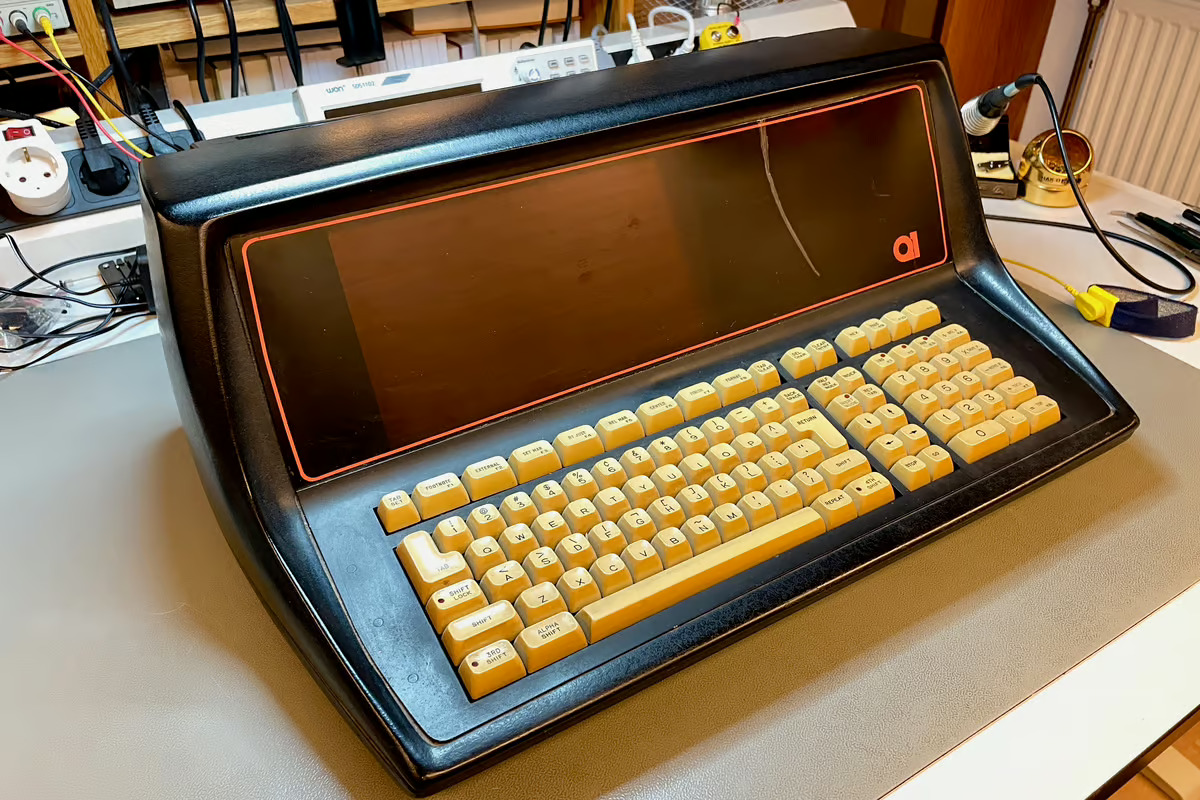
Q1 Computer System
Ficha técnica
Historia
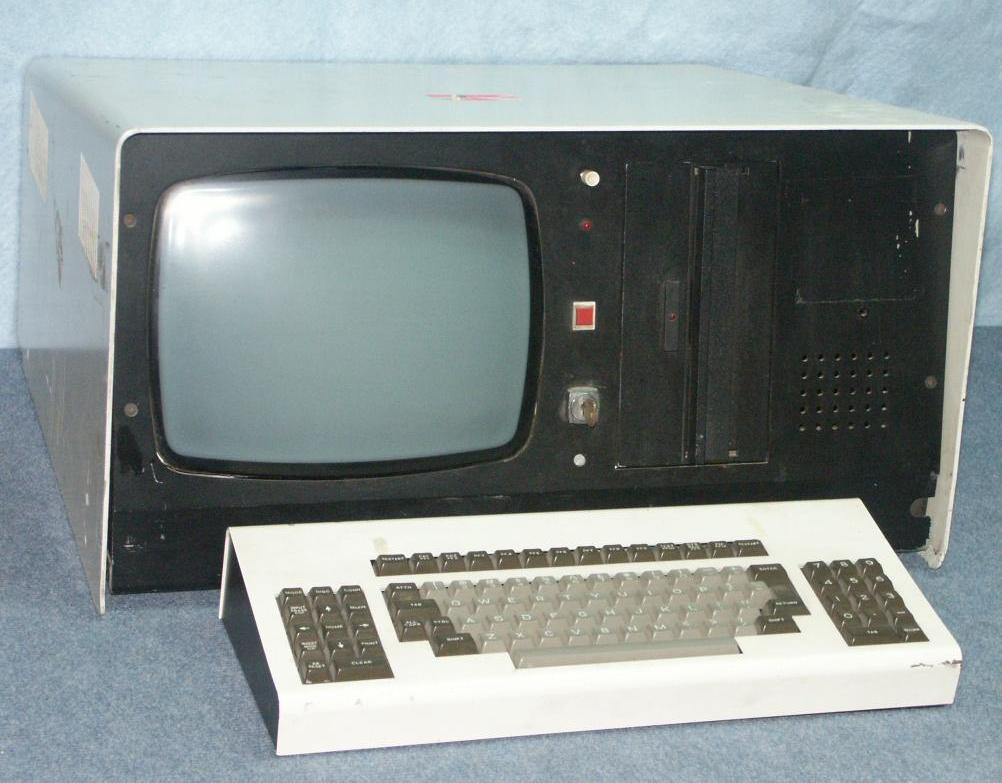
Q1 Corporation in New York, owned by Daniel Alroy, was the first company to develop a complete, standalone, microcomputer system integrated with a screen and keyboard and floppydrives. It was first sold in december 1972, based on the Intel 8008 processor that was introduced on the marked only 8 month earlier, in april 1972. The later version Q1 Lite from 1976-1977 was widely sold in Europe, Holland, Germany, Denmark, Sweden, etc. and based on a Z80 processor, 2708 eproms etc. My versions (see the pictures below of the Q1 Lite) has the Swedish character eprom for the nordic/scandinavian letters (æ ø å etc.)
Curiosidades
First complete, standalone, microcomputer system integrated with a screen and keyboard and floppydrives
MCM 70
Ficha técnica
Historia
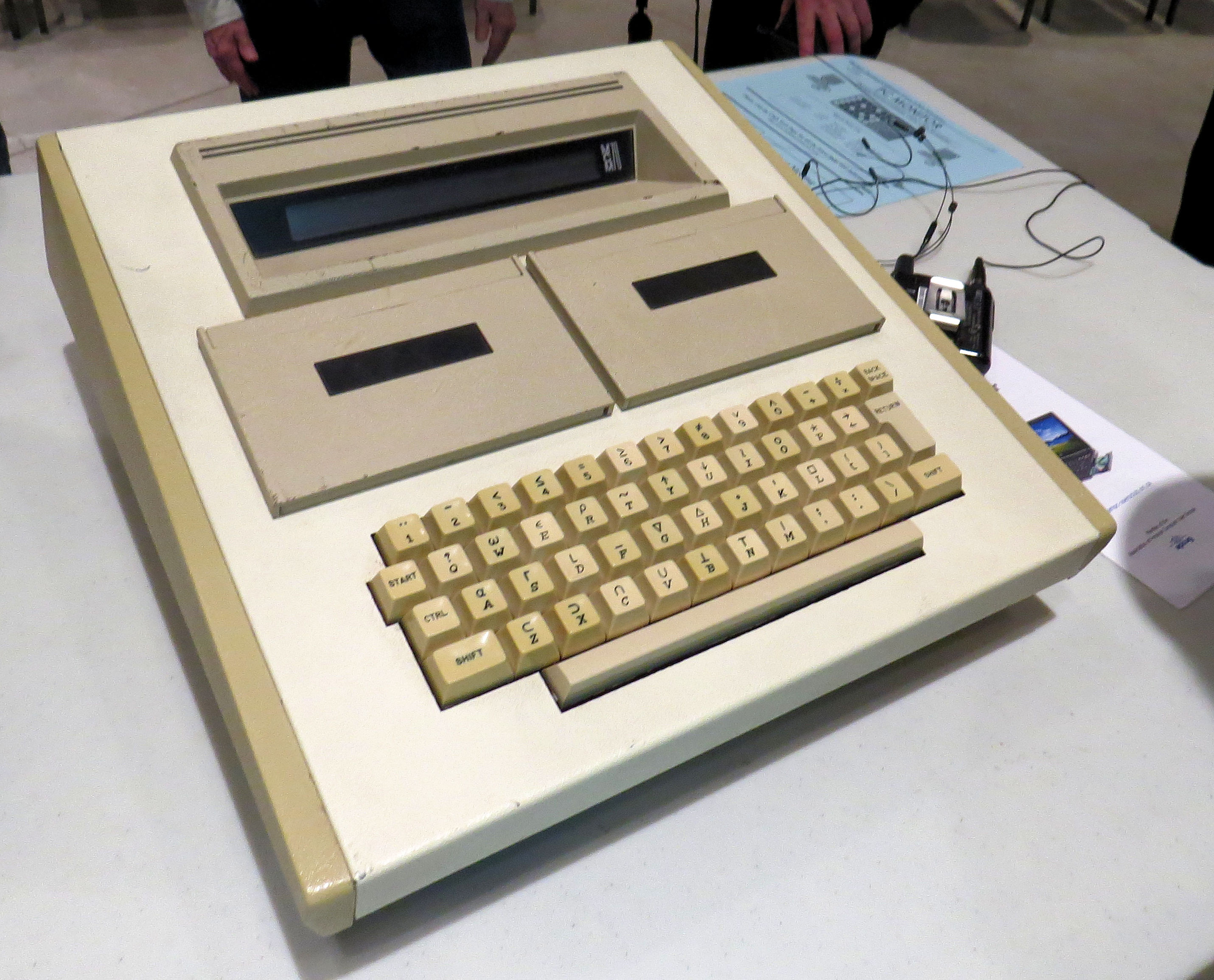
The MCM/70 is a pioneering microcomputer first built in 1973 in Toronto, Ontario, Canada and released the next year. This makes it one of the first microcomputers in the world, the second to be shipped in completed form, and the first portable computer. The MCM/70 was the product of Micro Computer Machines, one of three related companies set up in Toronto in 1971 by Mers Kutt. It is considered by some historians to be the first usable personal microcomputer system
Curiosidades
First usable personal microcomputer system
Microsystems International Limited Mod8
Ficha técnica
Historia
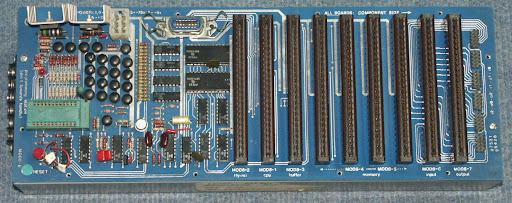
The MIL MOD8 computer was designed in 1974 around the MIL MF8008 chip; a second sourced 8008 CPU from Intel. The backplane holds a number of cards that make up the bulk of the computer. The backplane also had an EPROM programmer but this particular build does not have it. Each of the cards have a purpose.
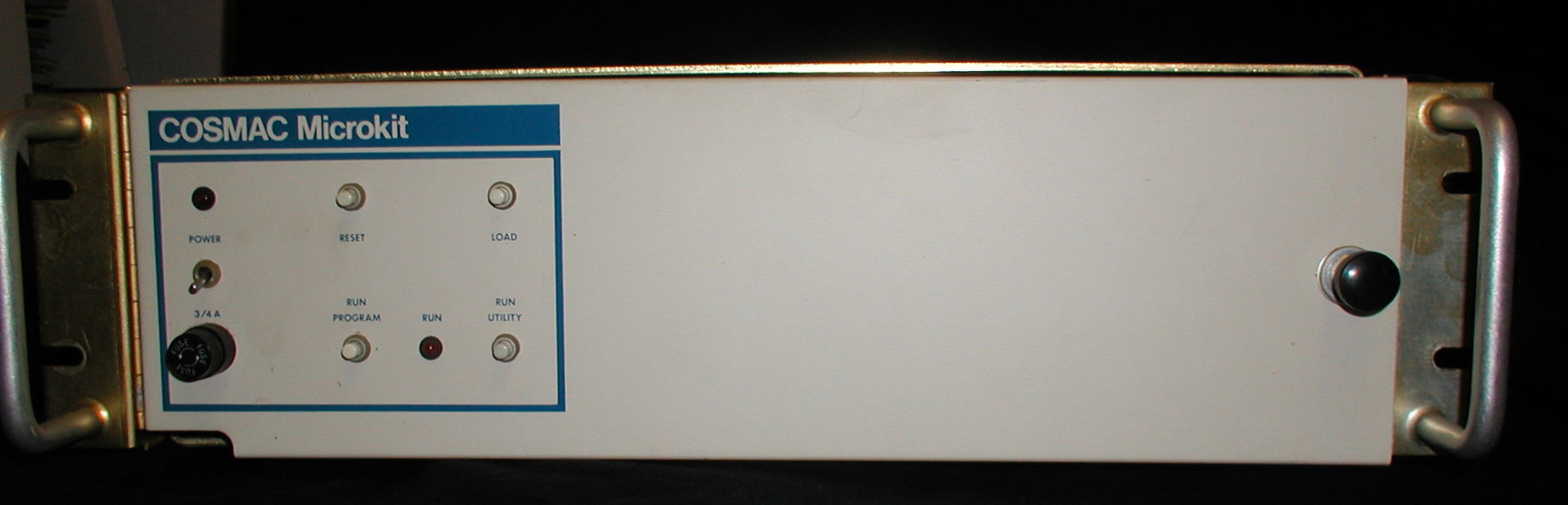
RCA Cosmac Microkit
Ficha técnica
Historia
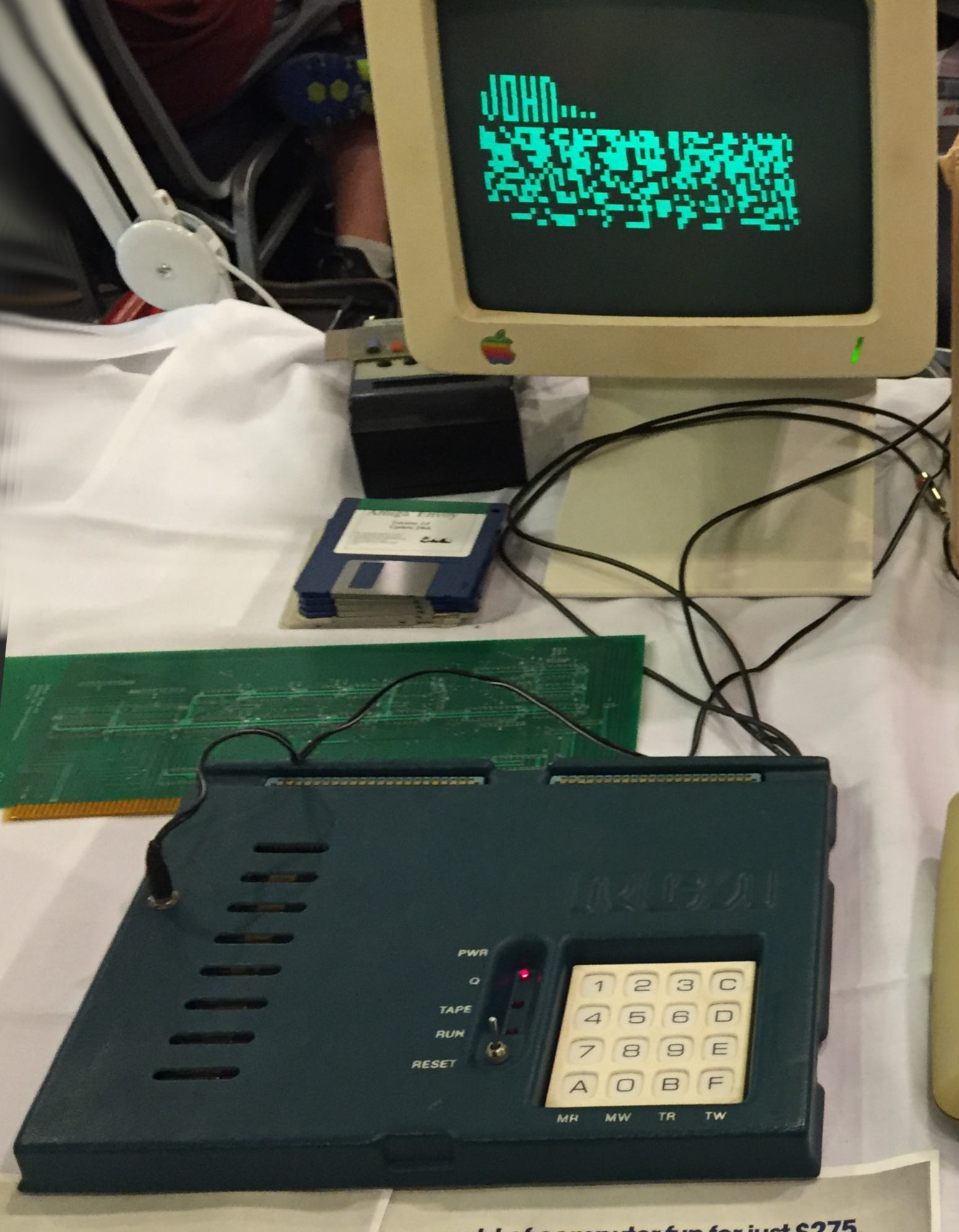
The 1974 RCA COSMAC Microkit. This is the first commercial microcomputer from RCA to contain the two-chip COSMAC microprocessor (TC 1084 / TC 1085 version). The processor was developed in New Jersey, but the kit itself came out of the RCA Palm Beach Division. Click image for larger view.
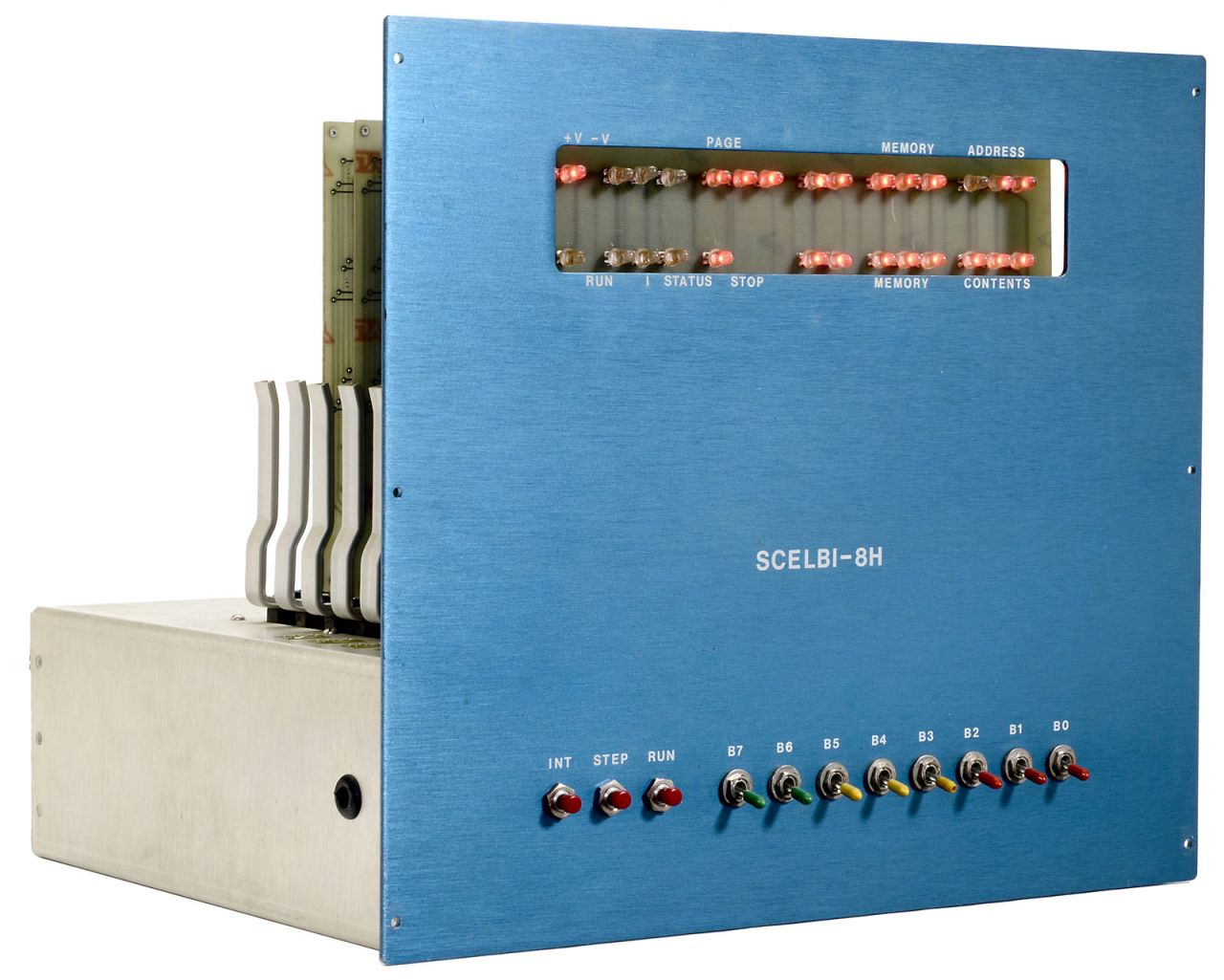
SCELBI-8H
Ficha técnica
Historia
SCELBI was an early model of microcomputer based on the Intel 8008 processor. The company SCELBI (derived from SCIentific-ELectronics-BIology) Computer Consulting in 1973, by Nat Wadsworth. The SCELBI 8H was marketed in 1974 and was delivered either as an assembled unit or as a kit, with five basic circuit boards and provision for memory expansion to 16 kB (16,384 bytes). The company offered input/output devices including a keyboard, teleprinter interface, alphanumeric oscilloscope interface, and a cassette tape interface for data storage. The basic system only used a front panel with 11 switches and LEDs for input and output. The company also offered a version of the BASIC programming language that ran on the platform, called SCELBAL. Optional modules for strings and transcendental functions allowed the system to operate in small memory configurations. SCELBAL was sold in book format, allowing it to be used on any similar 8008 or 8080 based platform. The initial model 8H was discontinued at the end of 1974 and an improved model 8B was introduced. Fewer than 150 board sets and assembled systems were ever sold. Later in 1975, the availability of systems based on the more flexible 8080 processor reduced demand for the slower 8008-based product. The company discovered that the demand for books on microcomputers was very high and published several books; the publishing business was sold in 1982.
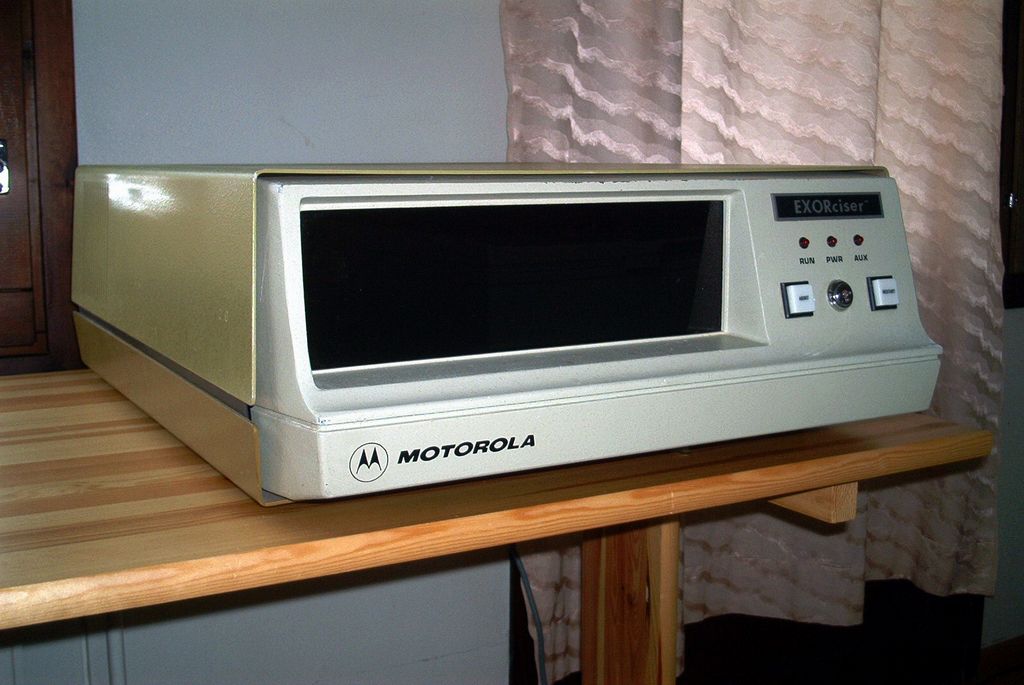
Motorola M6800 Exorciser
Ficha técnica
Historia
The Motorola EXORciser was a desktop computer built with the M6800 ICs that could be used for prototyping and debugging new designs. An expansive documentation package included datasheets on all ICs, two assembly language programming manuals, and a 700-page application manual that showed how to design a point-of-sale terminal (a computerized cash register) around the 6800
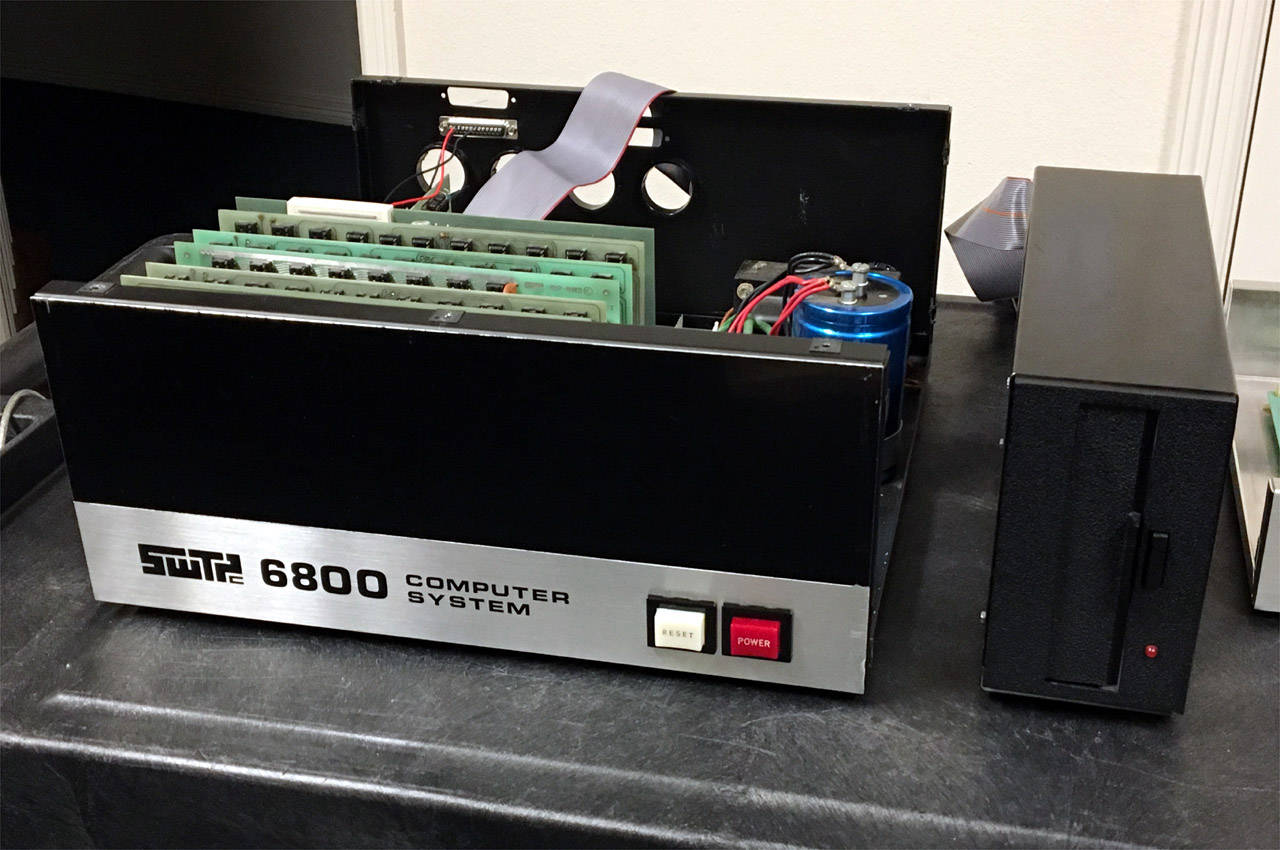
Swtpc 6800 Computer System
Ficha técnica
Historia
The SWTPC 6800 Computer System, simply referred to as SWTPC 6800, is an early microcomputer developed by the Southwest Technical Products Corporation and introduced in 1975. Built around the Motorola 6800 microprocessor from which it gets its name, the SWTPC 6800 was one of the first microcomputers based around that microprocessor. It is the progenitor of the widely used and broadly supported SS-50 bus. The SWTPC 6800 became one of the most popular 6800-based systems of its time, owing to its ease of use and ample documentation. Though rudimentary, the MIKBUG resident monitor built into ROM allows the immediate entry of program data after power-up, as opposed to other microcomputers of its day which required bootstrapping such software. Southwest Technical Products introduced the SWTPC 6800 in November 1975 for US$450 (equivalent to $2,400 in 2022) in kit form only. Any contemporary ASCII terminal can be used to interface with the SWTPC 6800.[2] SWTPC sold their own television-set-based terminal, for $275; a crude dot-matrix printer was another optional accessory, for $250
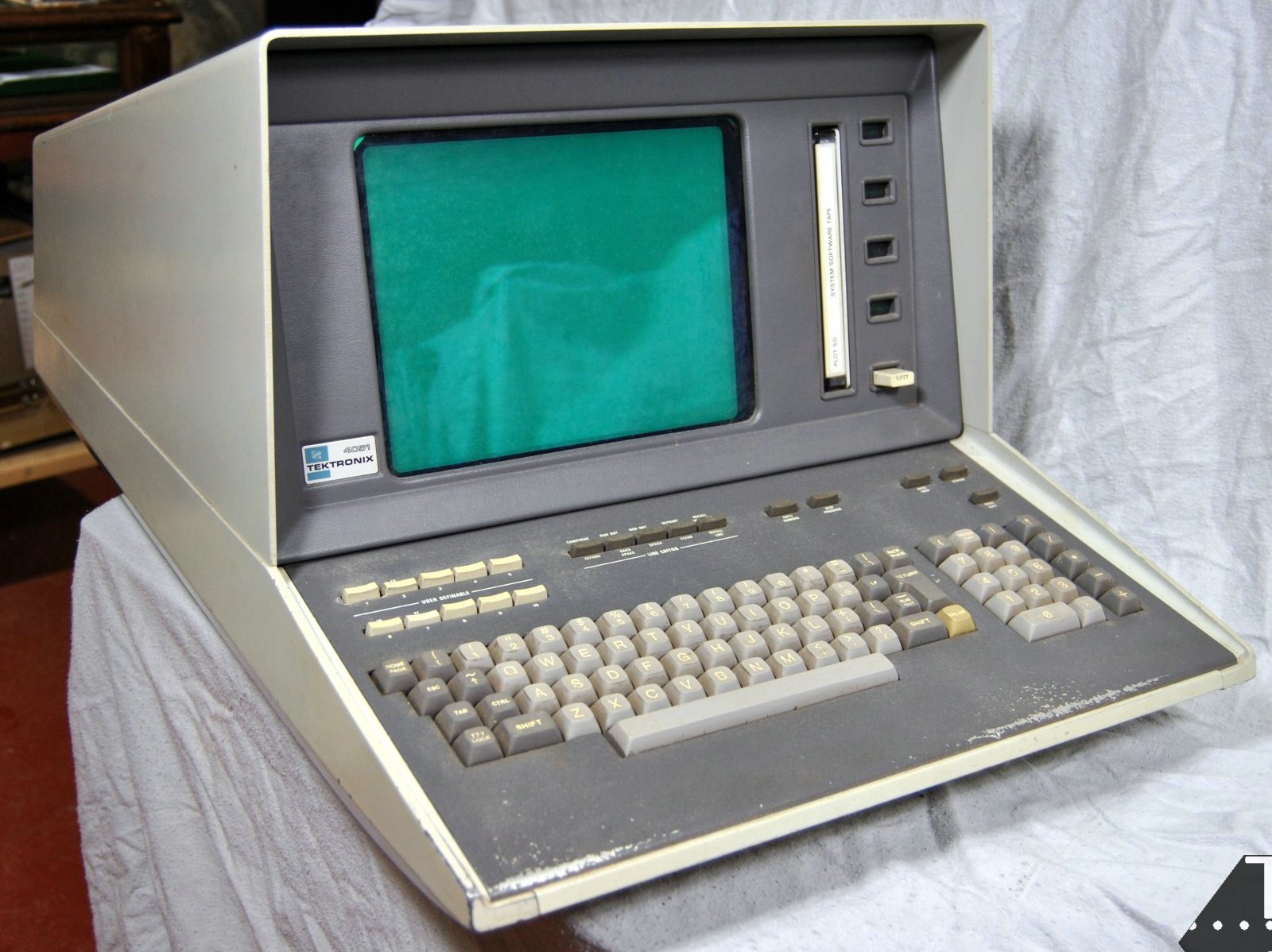
Tektronix 4051
Ficha técnica
Historia
The Tektronix 4051 is a graphics-capable desktop microcomputer produced by Tektronix in the late 1970s through the early 1980s. The display is similar to the Tektronix 4010 terminal, using a direct-view storage CRT display (like an analog storage scope) to avoid the need for video RAM. An all-in-one design, the 4051 includes display, keyboard, CPU and a 300 kByte DC300 quarter-inch cartridge tape drive in a single desktop case, and includes a GPIB interface. A simple operating system and BASIC interpreter are stored in ROM.
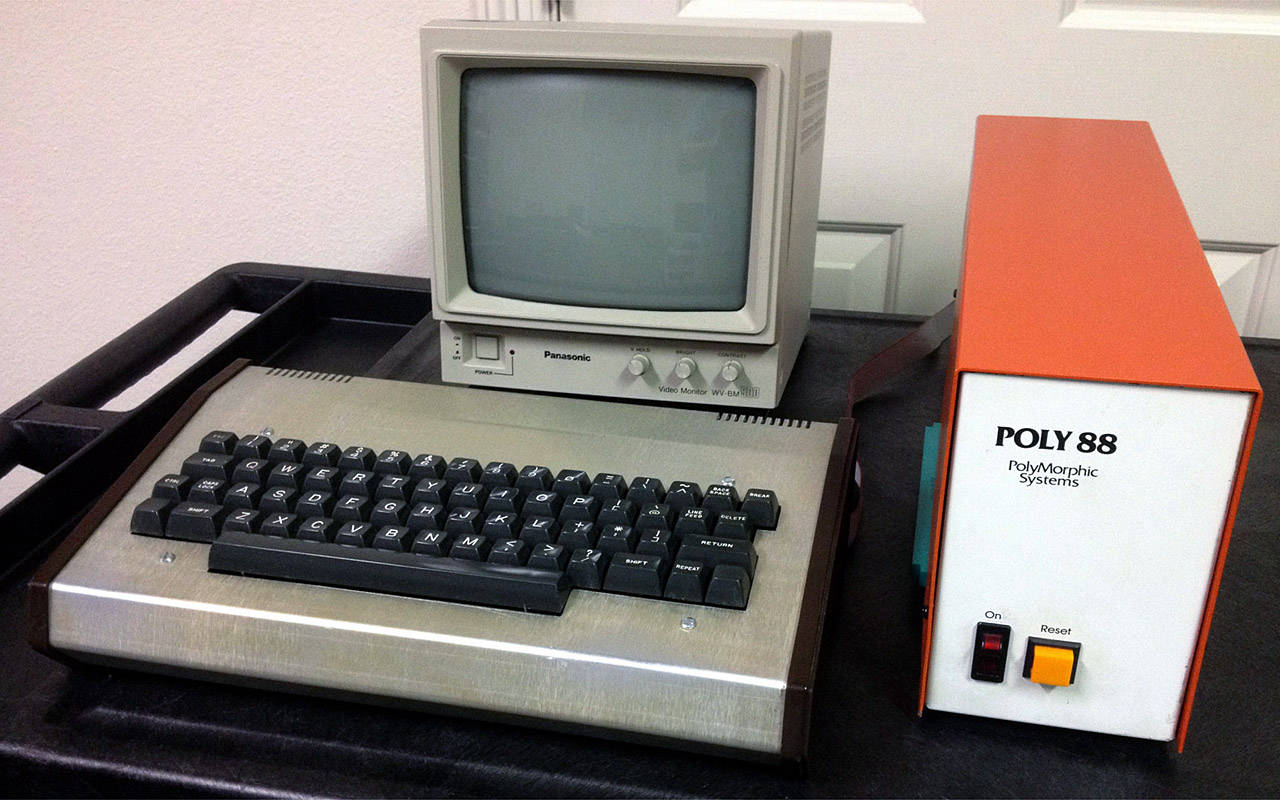
PolyMorphic Systems Poly-88
Ficha técnica
Historia
With the release of their CPU card, PolyMorphic began selling complete systems. Their first was the Poly-88, housed in a 5-slot S100 chassis, with additional side-mounted S-100 connectors for the purpose of joining chassis together. This unit earned the nickname orange toaster due to its orange metal cover, and the fact that the S-100 cards generated noticeable heat. The Poly-88 was available in kit form, or assembled. It was originally called the Micro-Altair, but after objections from MITS, manufacturers of the Altair, the name was changed.
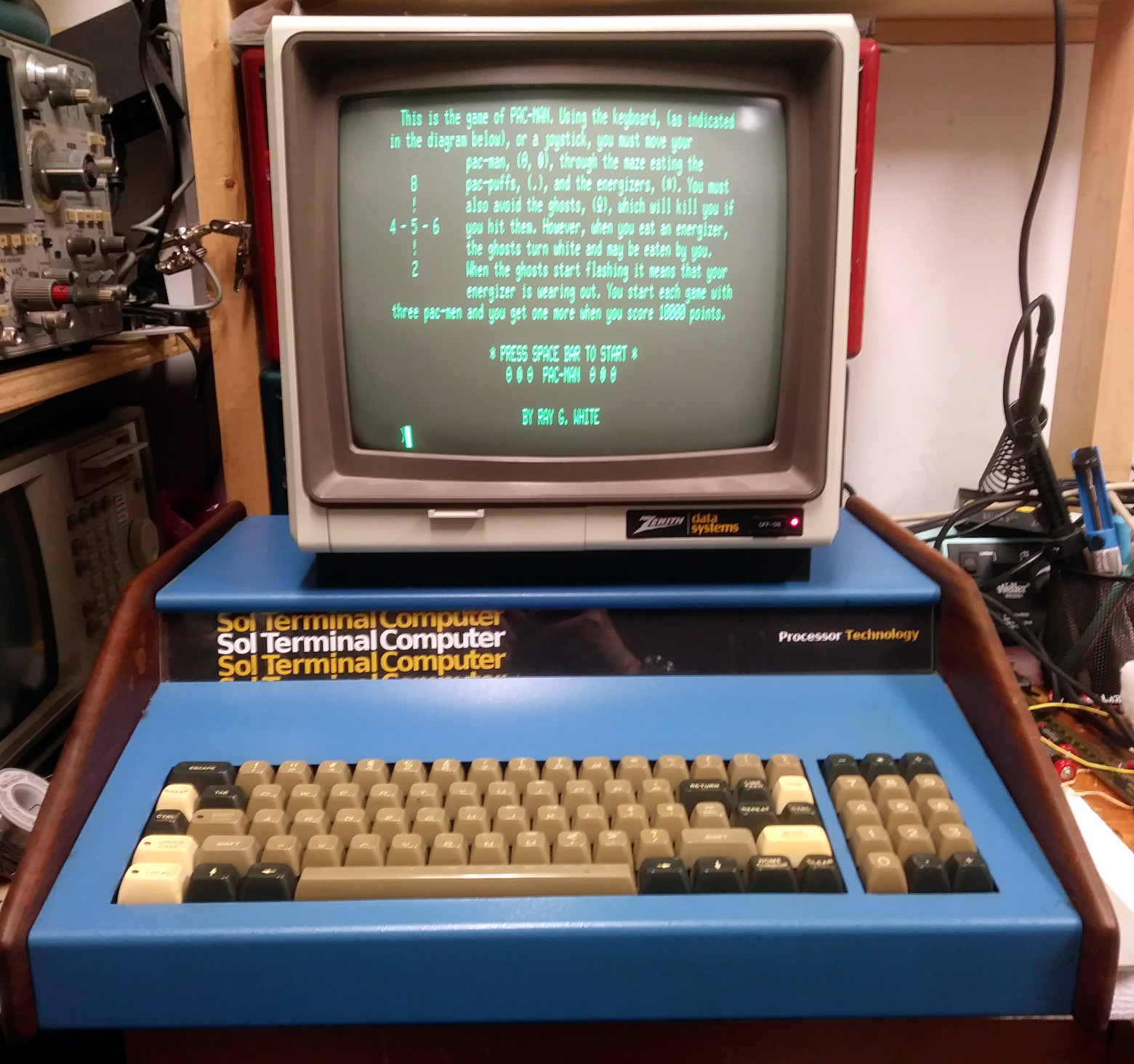
Sol-20 Terminal Computer
Ficha técnica
Historia
Laying claim to be the first fully-assembled microcomputer with a built-in keyboard and television output, the Sol-20 was launched back in 1976. It had more in common with the Altair 8800s and IMSAI 8080s of the day, than it did with the Apple and Commodore computers that were soon to follow, despite looking more like the latter
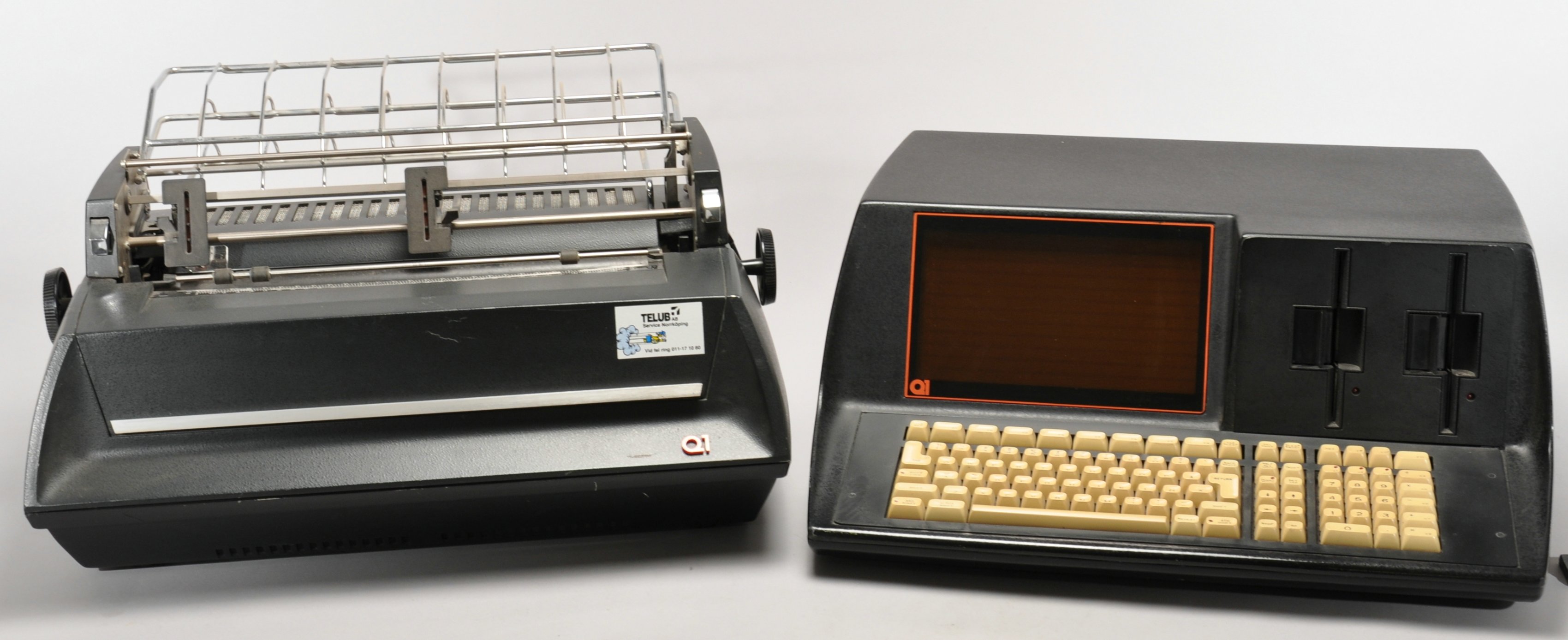
Q1 Microlite
Ficha técnica
Historia
The later version Q1 Lite from 1976-1977 was widely sold in Europe, Holland, Germany, Denmark, Sweden, etc. and based on a Z80 processor, 2708 eproms etc. My versions (see the pictures below of the Q1 Lite) has the Swedish character eprom for the nordic/scandinavian letters (æ ø å etc.)
Telmac 1800
Ficha técnica
Historia
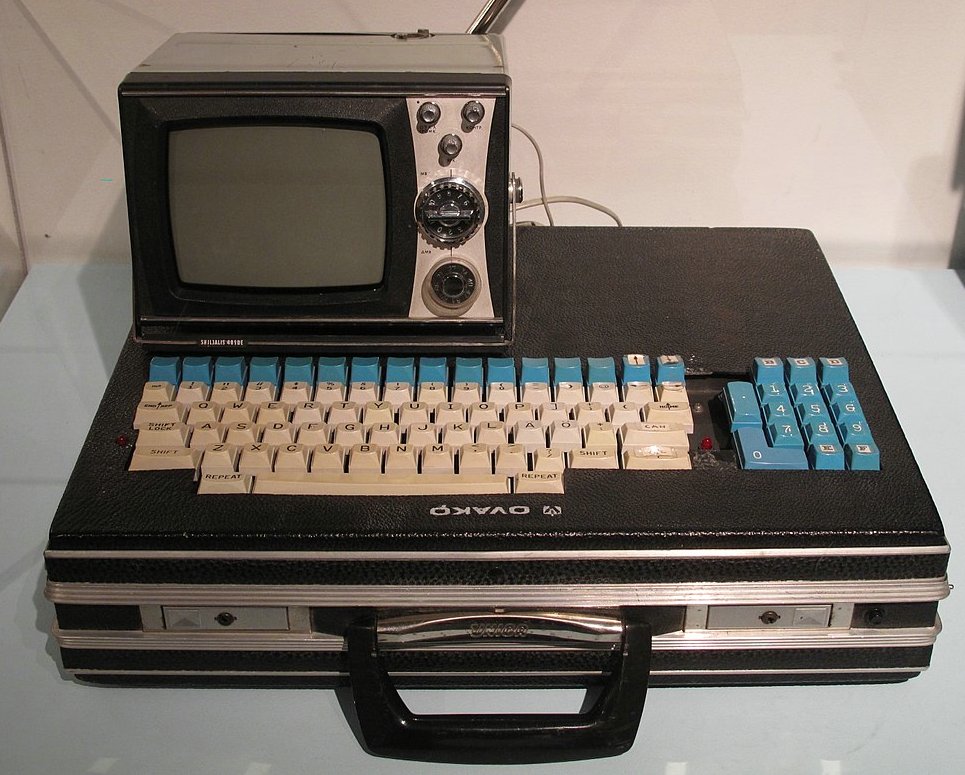
The Telmac 1800 was an early microcomputer delivered in kit form. It was introduced in 1977 by Telercas Oy, the Finnish importer of RCA microchips. Most of the 2,000 kits manufactured over four years were bought by electronics enthusiasts in Finland, Sweden and Norway.
Terak 8510
Terak 8510
Ficha técnica
Historia
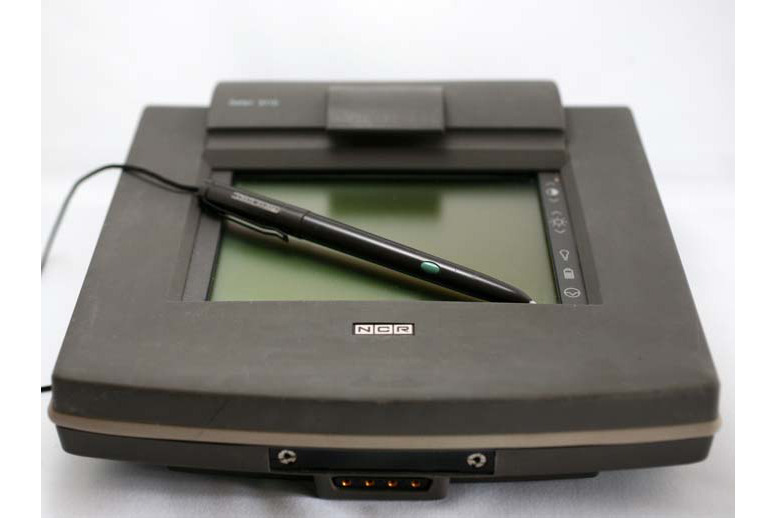
The Terak 8510/a was a graphical desktop workstation developed by the Terak Corporation in 1977. It was among the first desktop
Telmac TMC-2000
Mupid
Ficha técnica
Historia
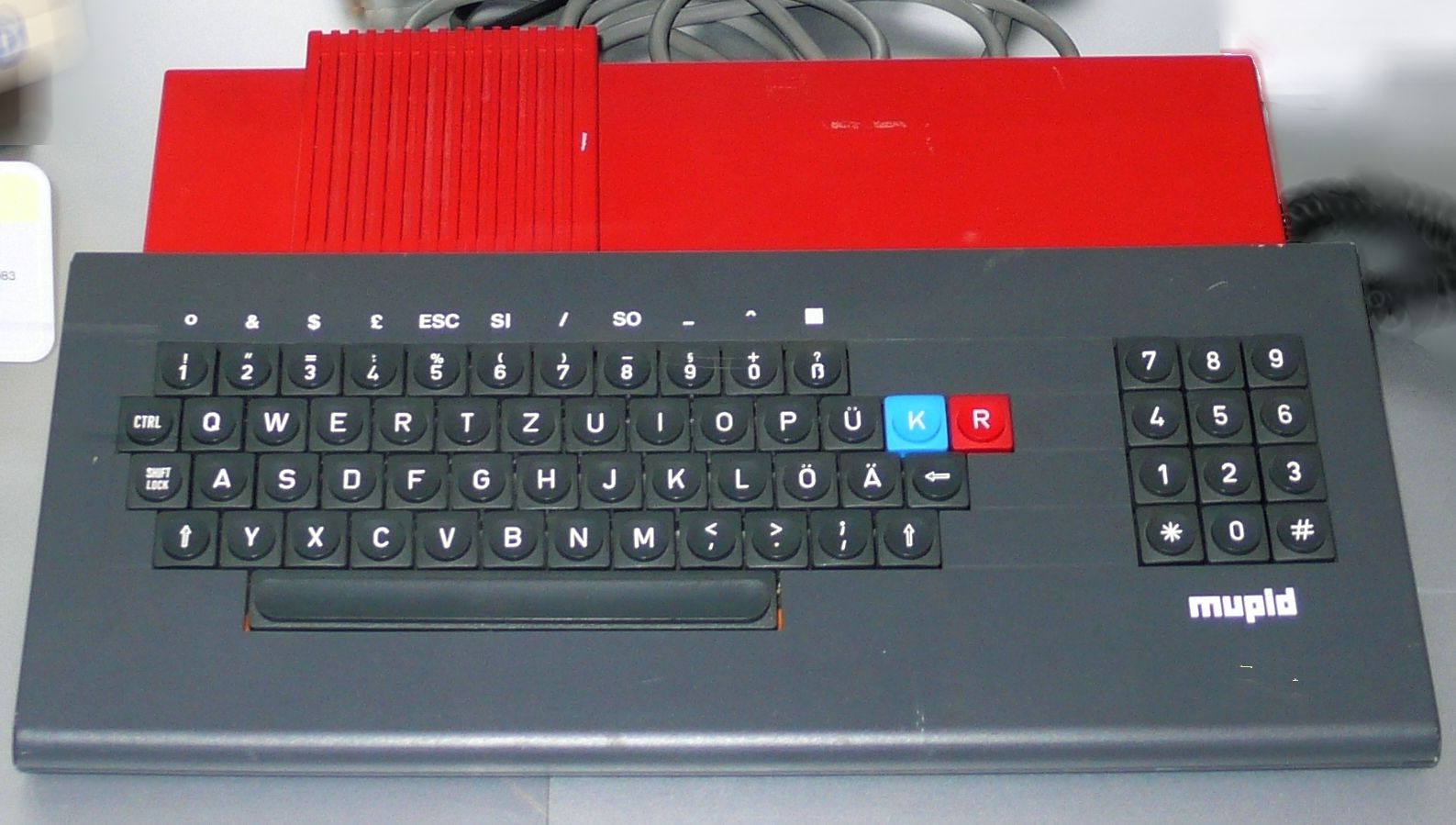
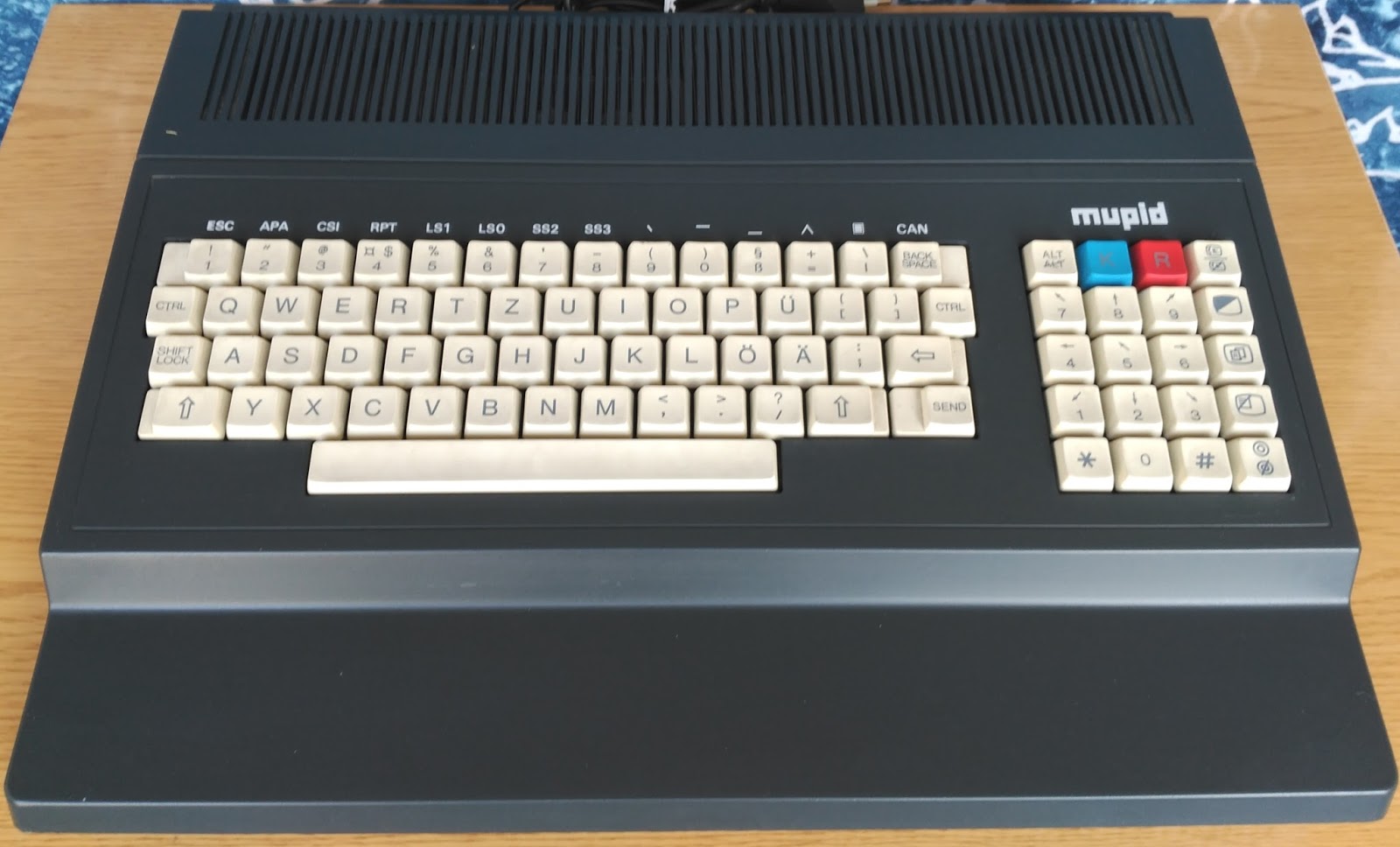
The MUPID (Multipurpose Universal Programmable Intelligent Decoder) was originally mainly marketed as a Prestel (or BTX as it was called in Austria and Germany) terminal for the Austrian post office (that operated this service). However, contrary to numerous dumb videotext terminals used in various European countries, this one was actually a true home computer featuring a Z80 microprocessor, BASIC, a large amount of memory (128kB), a colour video interface and several I/O ports. It could be connected to any colour TV set and provided 1200/75 baud modem, tape recorder and parallel printer interfaces. An external floppy drive unit was also available.
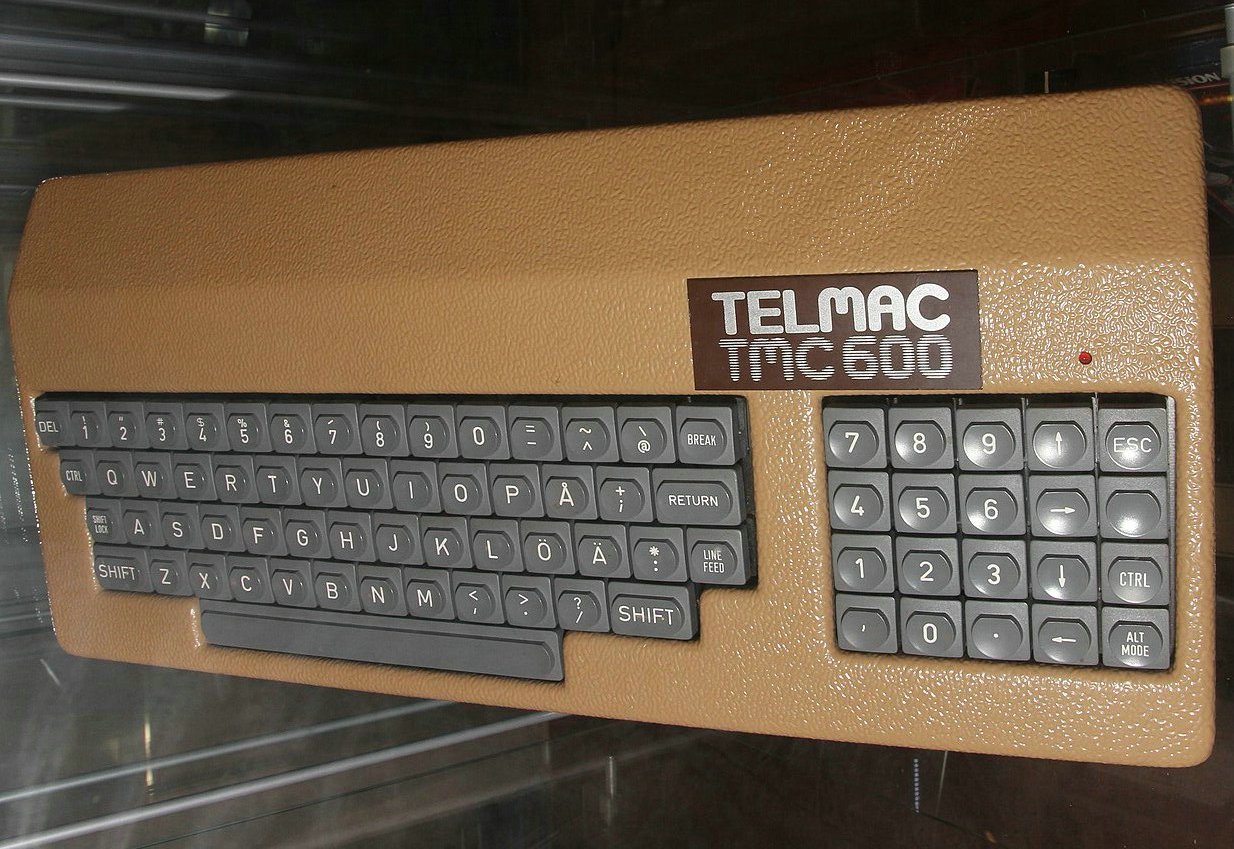
Telmac TMC-600
Ficha técnica
Historia
The Telmac TMC-600 was a Finnish microcomputer introduced in 1982 by Telercas Oy, a Finnish importer of RCA microchips. Only 600 units were produced, making it very rare today. The TMC-600 was the only commercially available BASIC-based home computer designed and manufactured in Finland.
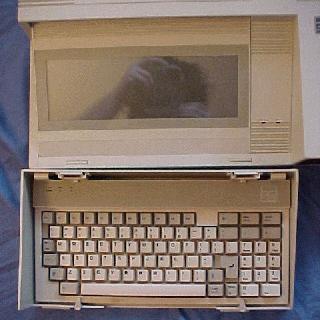
Semi-Tech Micro PC-STM
Ficha técnica
Características
Mfr:	Semi-Tech Microelectronics
Location:	Ontario, Canada
Model:	STM PC
Processor:	80186
Speed:	8mhz
Op. Sys:	MS-DOS version 2.11
Bits:
Internal:	16
Data:	16
RAM:
Min:	256K
Max:	512K
ROM:
Input:	83-key Keyboard
Display:	Mono LCD 80x25 char
Floppy Disk:	one or two internal 5.25 disk drives
Serial:	2 DB-25 RS-232C ports
Parallel:	Internal Thermal Printer, plus standard Centronics port
Keyboard:	Proprietary RJ-11
Other:	I/O Expansion, SCSI, RJ-11 Phone Line, Acoustic Coupler, RGB Color Video, B/W Composite Video
Expansion:	IBM PC I/O external bus expansion connector
Introduced:	ca. 1984
Size:	20.3 x 10.8 x 4 inches ( 515 x 275 x 100 mm)
Weight:	18lbs (8.1kg)
Voltage:	110vac
Connector:	Standard Line Cord
Notes: Perhaps the first MS-DOS portable with a standard SCSI port?
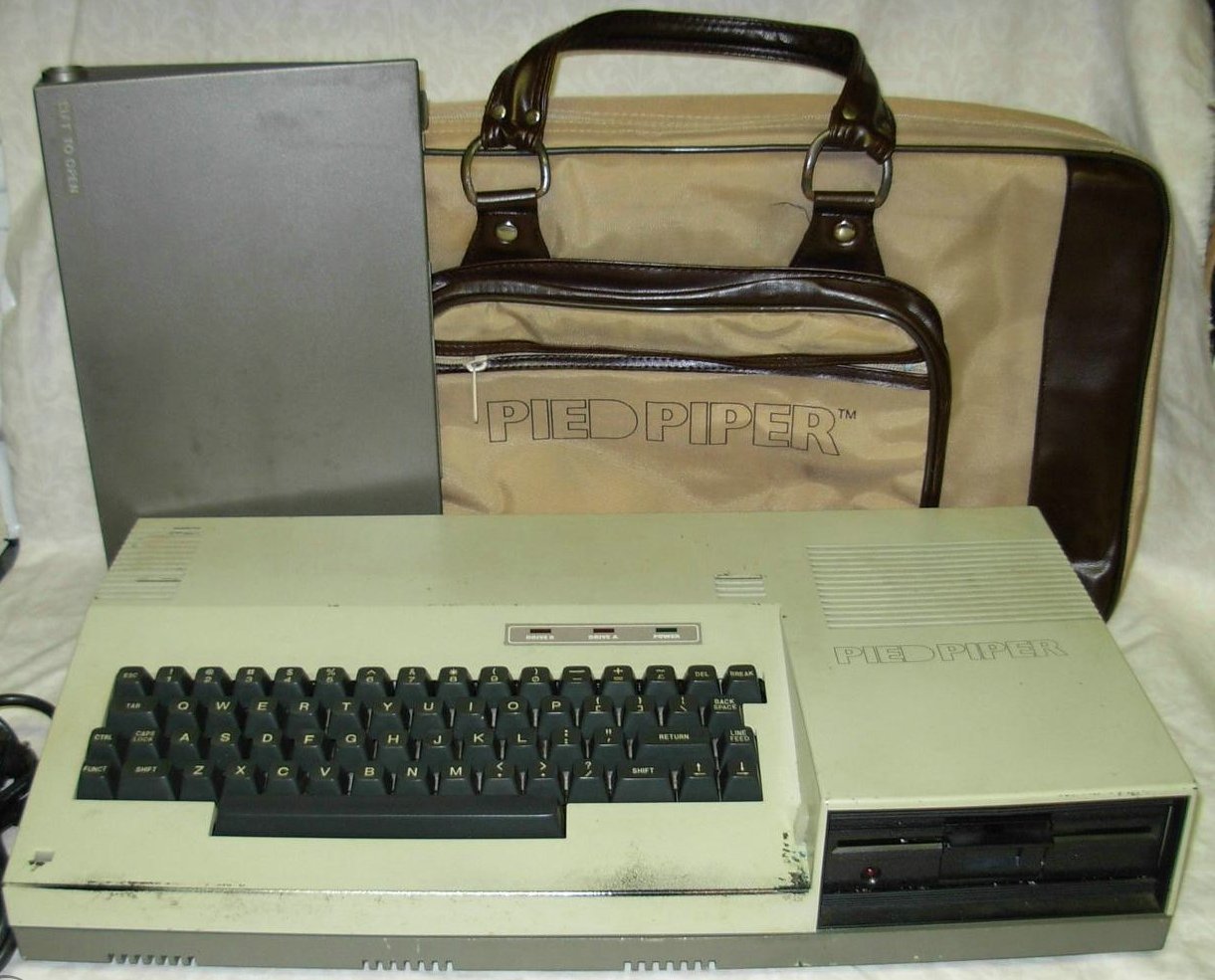
Semi-Tech Micro Pied Piper Communicator 1
Ficha técnica
Características
Modelo:	PPC 001
Introduced:	Fall 1982
Available:	March 1983
Peso:	12.5 lbs
Precio:	US $1,299
CPU:	Zilog Z80A @ 4MHz
RAM:	64K
Pantalla:	80 x 24 text
Ports:	parallel, TV RF, composite
Almacenamiento:	internal floppy drive
OS:	CP/M 2.2
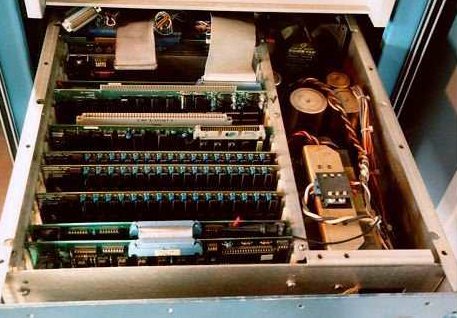
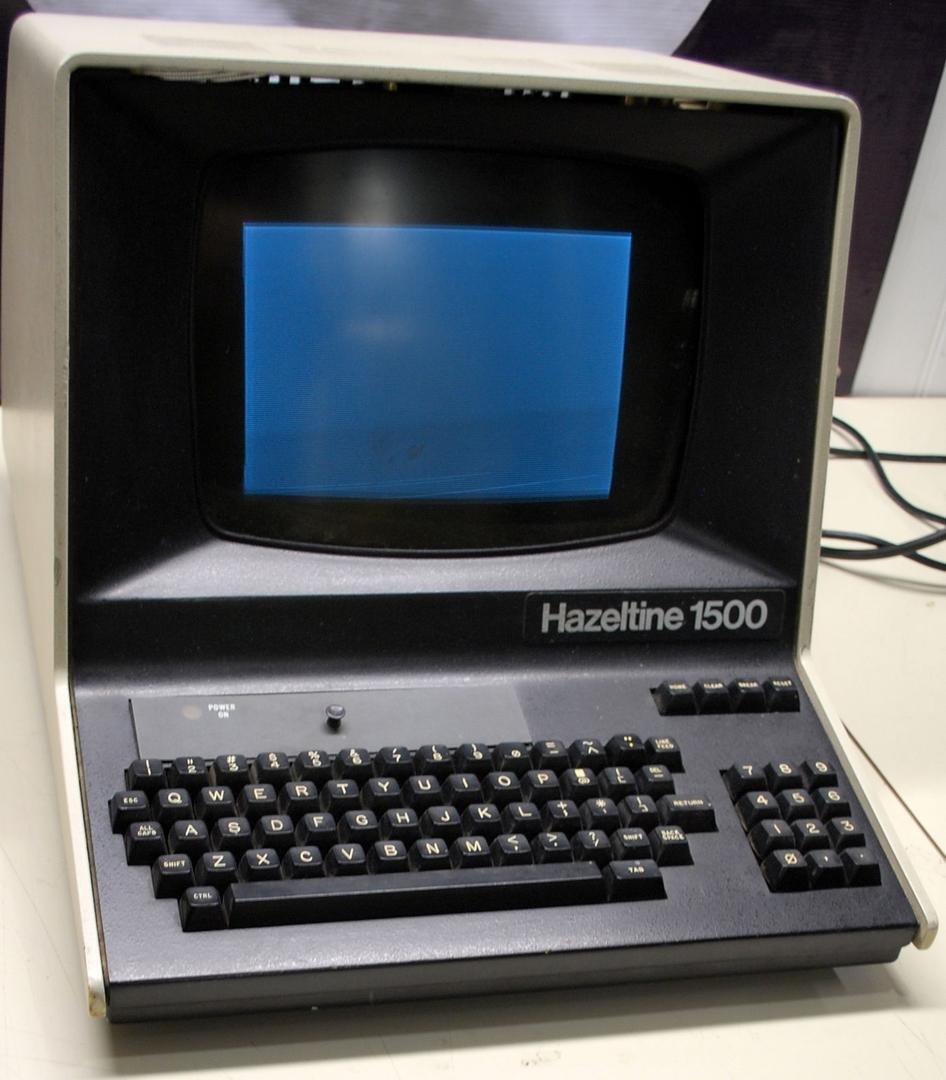
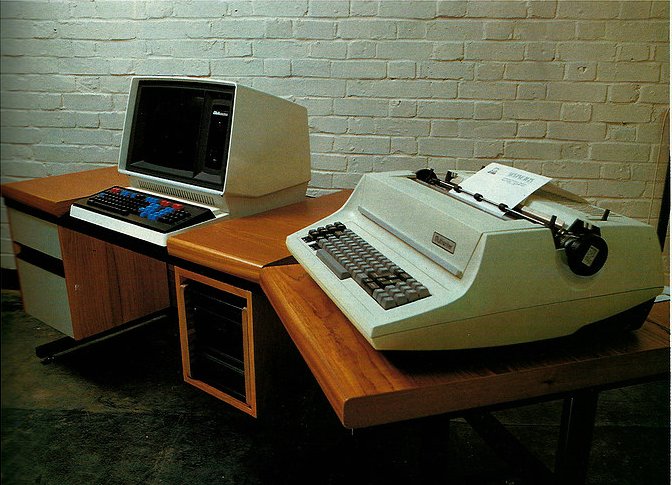
Family Playing Hazeltine1500
NorthStar Horizon
Ficha técnica
Historia
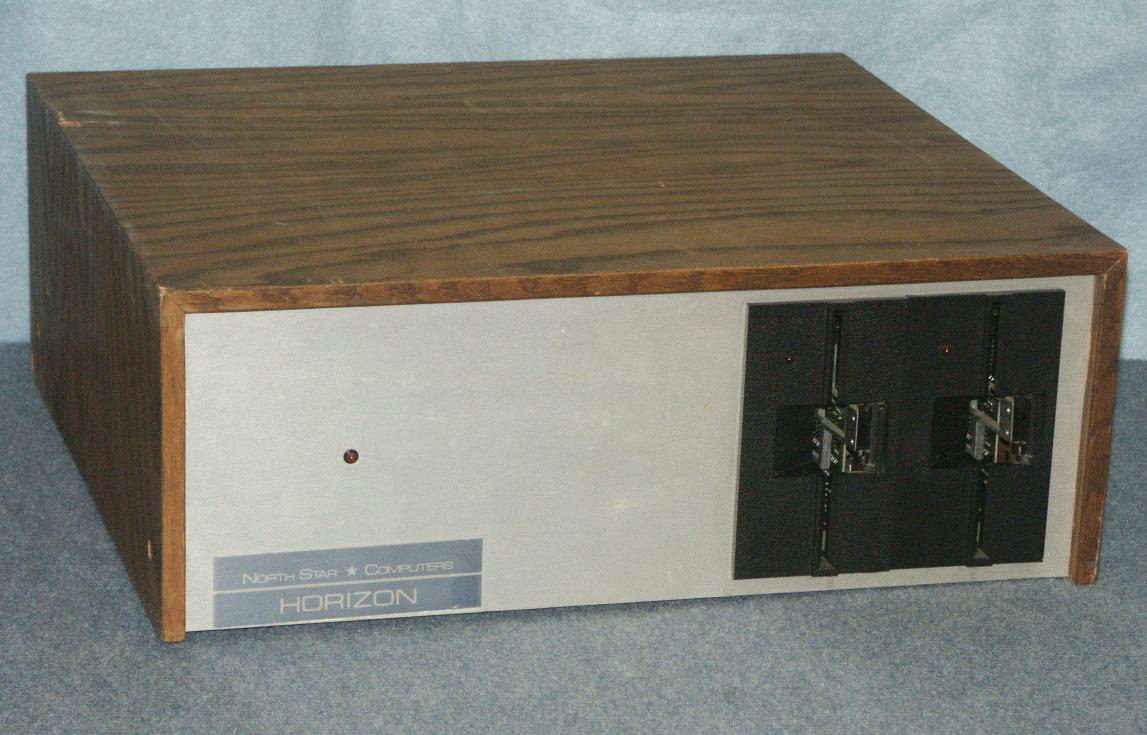
The NorthStar Horizon is reported to be the first microcomputer to ship with internal diskette drives.
Q1 Microlite Printer
Steve Rusell
Steve Rusell
Ficha técnica
Historia
Space War
Tennis For Two
Tennis For Two
Ficha técnica
Historia
William Higginbotham
Características
Donner Scientific Company Model 30
William Higginbotham
Ficha técnica
Historia
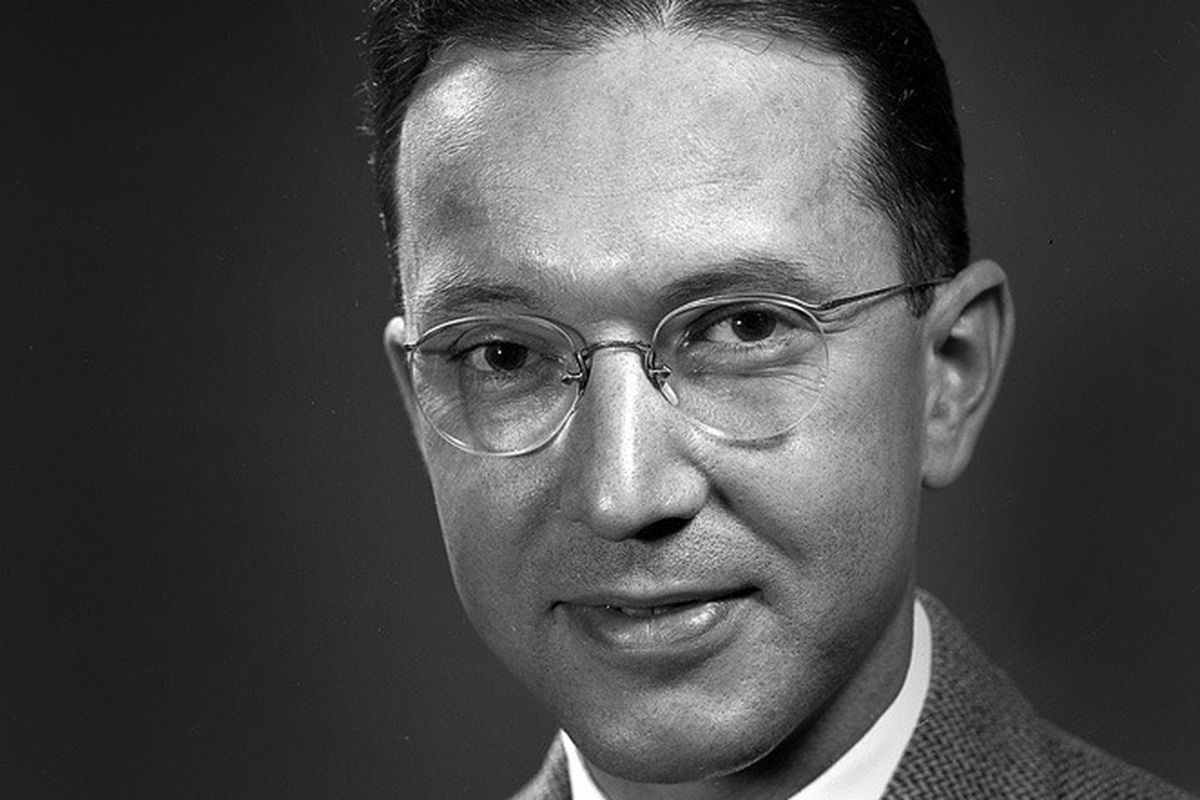
William Alfred Higinbotham (October 22, 1910 – November 10, 1994) was an American physicist. A member of the team that developed the first nuclear bomb, he later became a leader in the nonproliferation movement. He also has a place in the history of video games for his 1958 creation of Tennis for Two, the first interactive analog computer games and one of the first electronic games to use a graphical display.
Página 1 de 1