Inicio › Consolas › Nintendo-NES

Nintendo-NES

🎮 Consolas96 fichas55 juegospágina 1/2
más de Nintendo
enlaces relacionados

Máquinas (1–60 de 96)

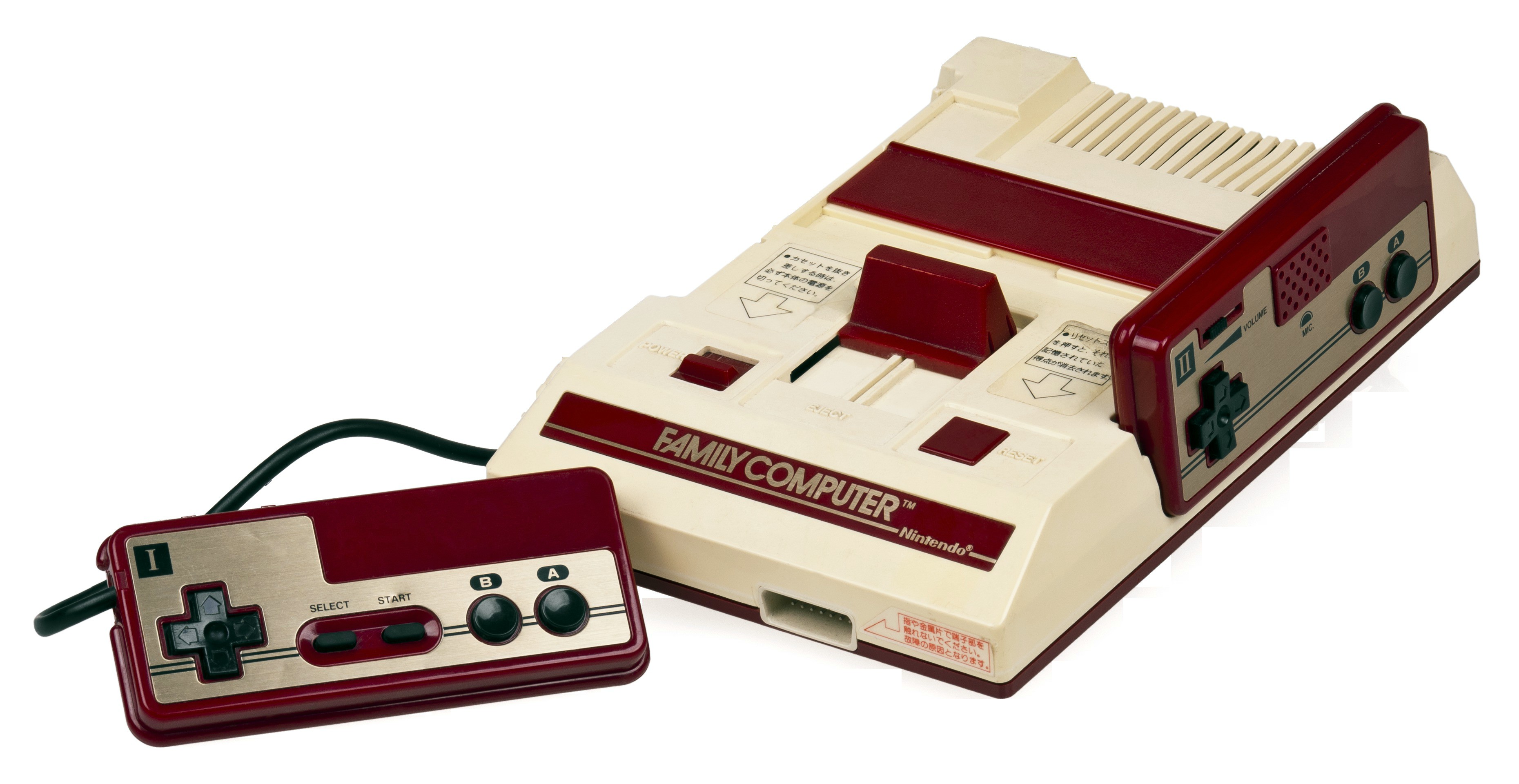
NES Famicom
NES Famicom
📅 1983
Ficha técnica

Historia

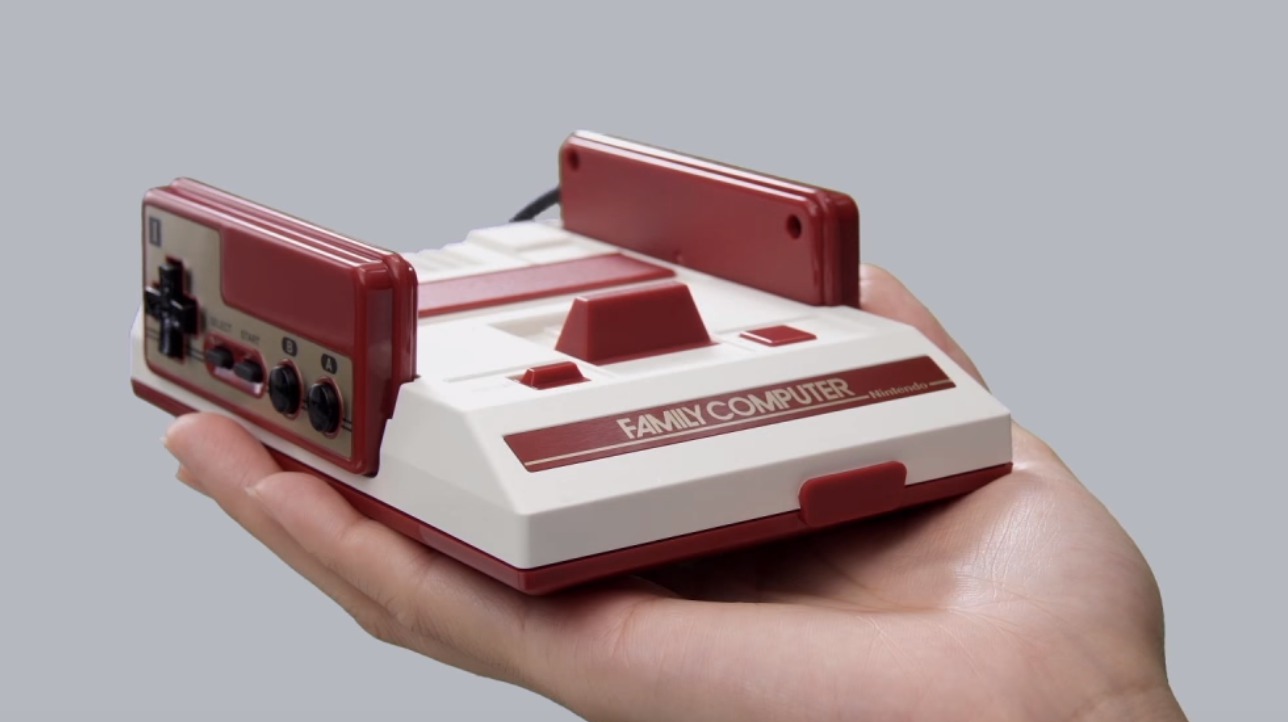
Tras una serie de redituables lanzamientos arcade a principios de los años 1980, Nintendo concibió la producción de una videoconsola a base de cartuchos. Bajo este concepto, Masayuki Uemura y su equipo Nintendo R&D se encargaron de diseñar un sistema de juego que fuera menos costoso que sus competidores directos y que además tuviera un desempeño exitoso en el mercado con el fin de que no pudiera ser sobrepasado a nivel comercial por otros sistemas rivales, por lo menos en un período de un año. Su lanzamiento se produjo en Japón el 15 de julio de 1983, teniendo un precio de 14 800 JPY y siendo acompañada de tres exitosos «juegos incluidos» de tipo arcade (Donkey Kong, Donkey Kong Jr. y Popeye). No obstante, después de haber logrado buenas ventas en sus primeros meses,14 se evidenció un fallo técnico en la Family Computer (mejor conocida como Famicom) producido por una colocación deficiente del circuito integrado, lo cual causaba que el sistema se «congelara» apenas era ejecutado el software. Después de arreglar la deficiencia con una nueva placa base, lo cual requirió el cese temporal de la distribución de la Famicom en el mercado, su popularidad se disparó, superando a nivel comercial a su competidor directo, Sega SG-1000, y pasando a convertirse en el sistema más vendido en Japón para finales de 1984 —hasta ese entonces, Nintendo había vendido más de dos millones y medio de Famicoms en territorio japonés.

Características

Japanese Famicom : October 2003
Software Integrado  	None
Mandos  	8-way thumbpad, 4 Pulsadores (Start, Select. A, B)
CPU  	Custom 6502
Velocidad  	1.79 MHz
Co-procesador  	8-bit PPU (Picture Processing Unit)
RAM  	2 KB
VRAM  	2 KB
Modo gráfico  	256 x 240
64 sprites on screen, but only 8 per scanline / sprite Dimensiones : 8x8 or 8x16 pixels
Colores  	52 Available / 16 On-screen / 4 colours per Sprite
Sonido  	4 Channel Mono - 2 Square Waves, 1 Triangle Wave, 1 White Noise
Puertos de entrada/salida  	2 Controlador Ports, Composite Video Out, Mono Audio Out, RF Out, Expansion Port
Almacenamiento  	Cartridges
Número de juegos  	800+
Fuente de alimentación  	External Fuente de alimentación unit
Perifericos  	Alimentacion glove, lightPistola, Basic Teclado (Famicom), ROB the robot, disk drive (Famicom), dancing carpet, additional Mandos...
Precio  	$159.99 (USA, 1985)
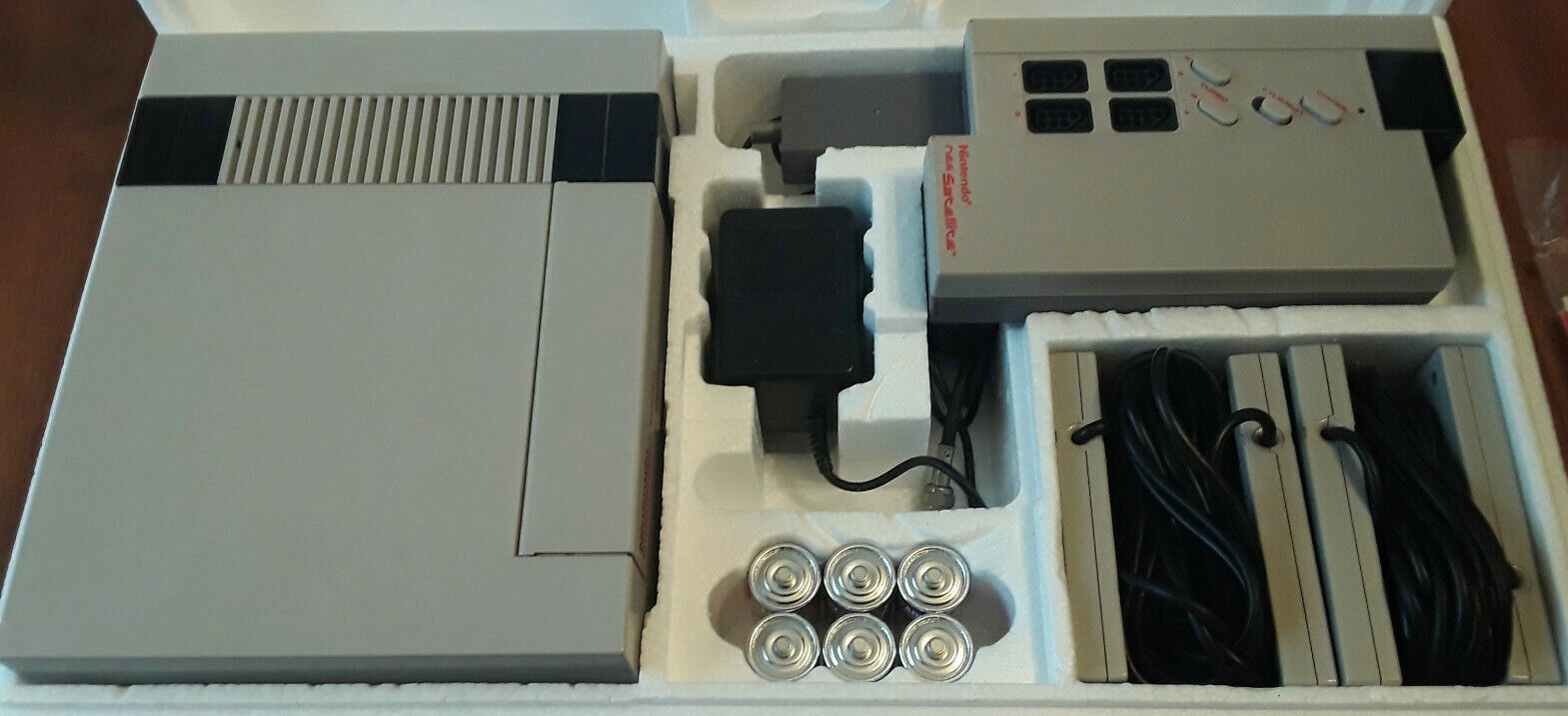
Nintendo Entertainment System
📅 1985
Ficha técnica

Historia

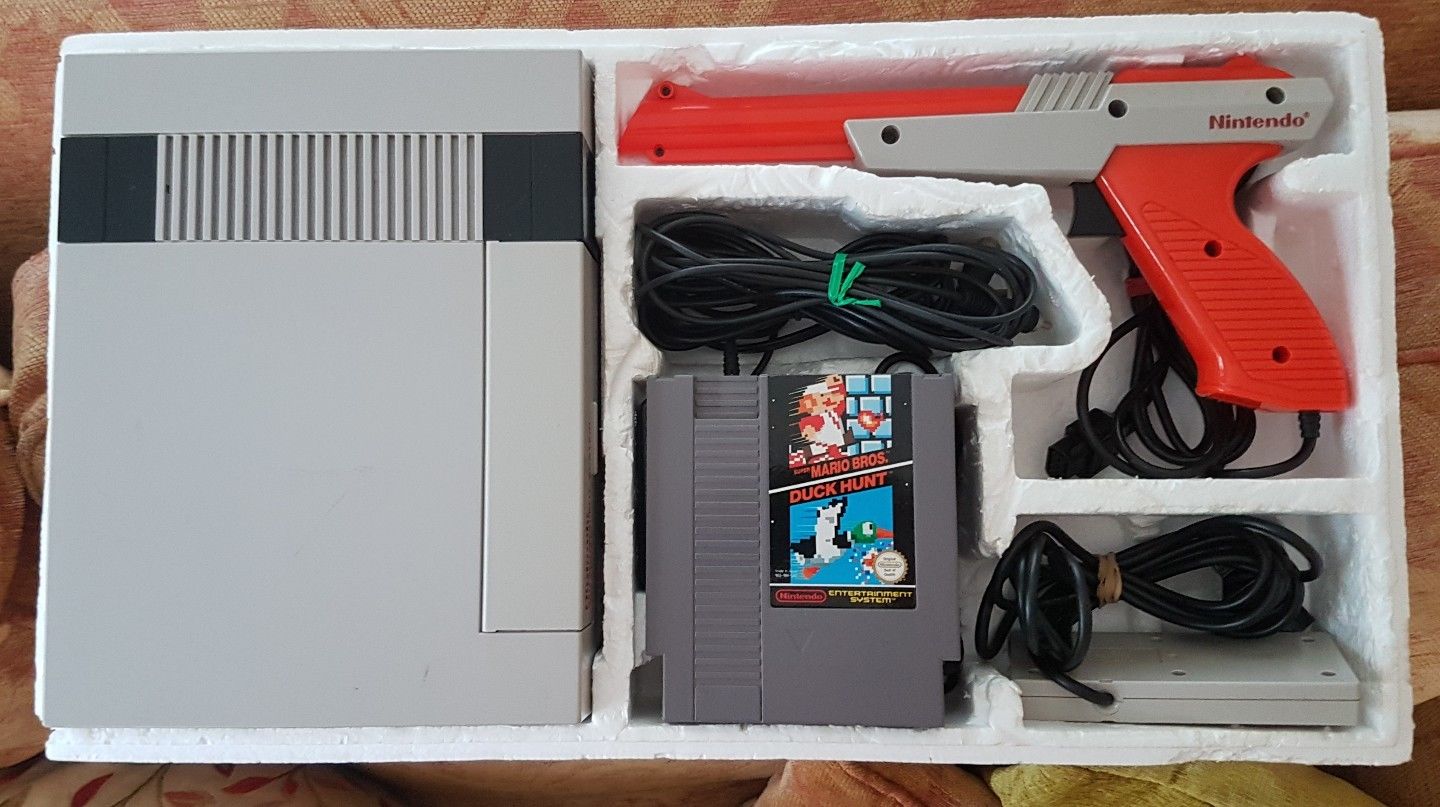
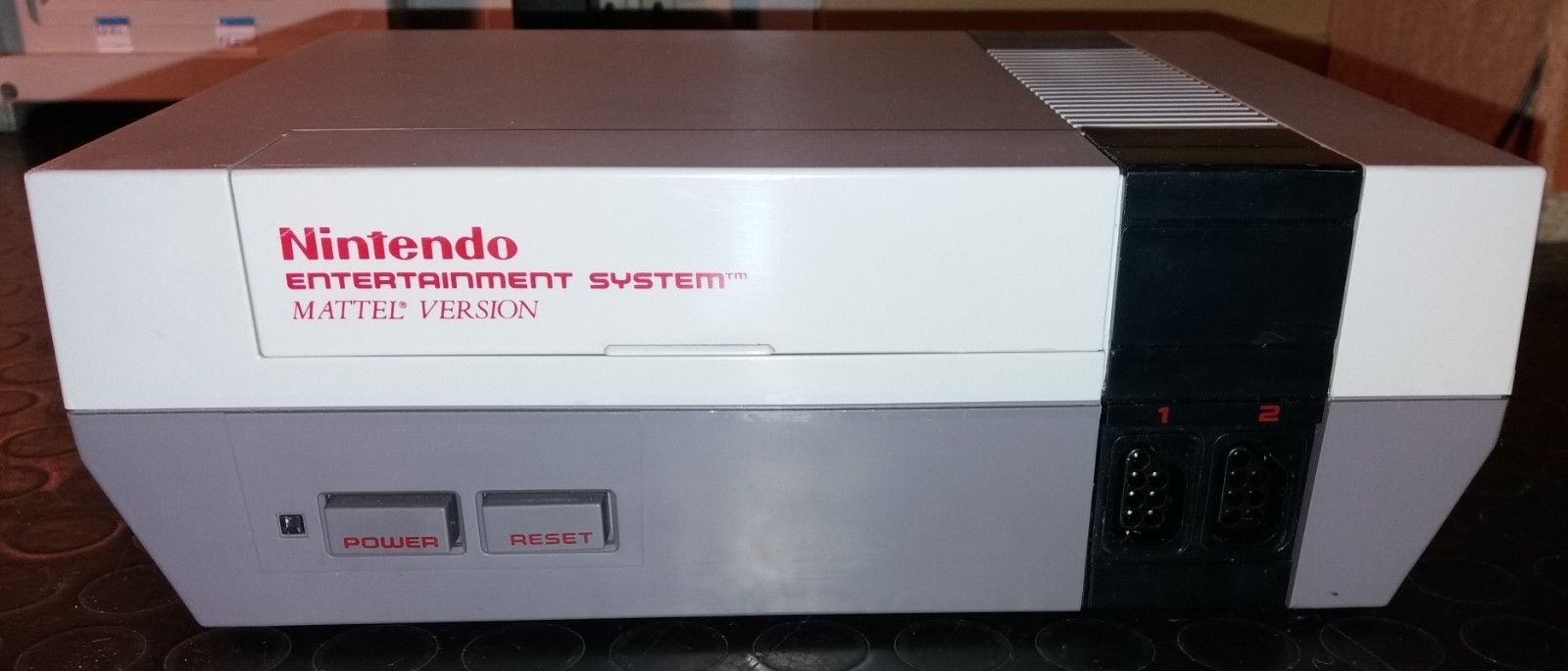
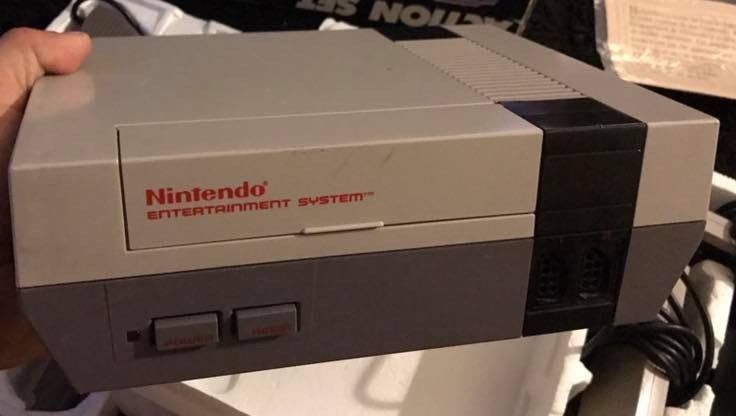
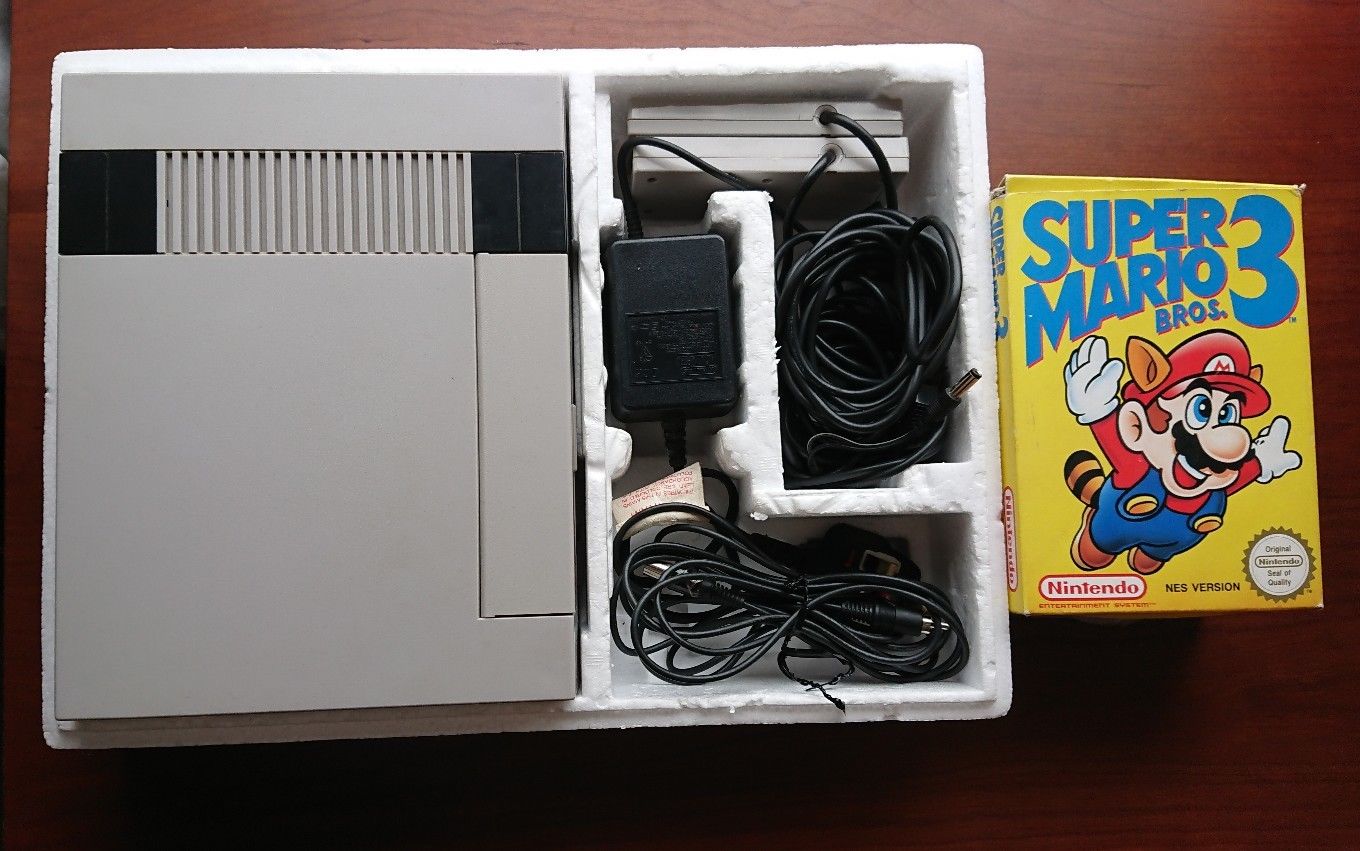
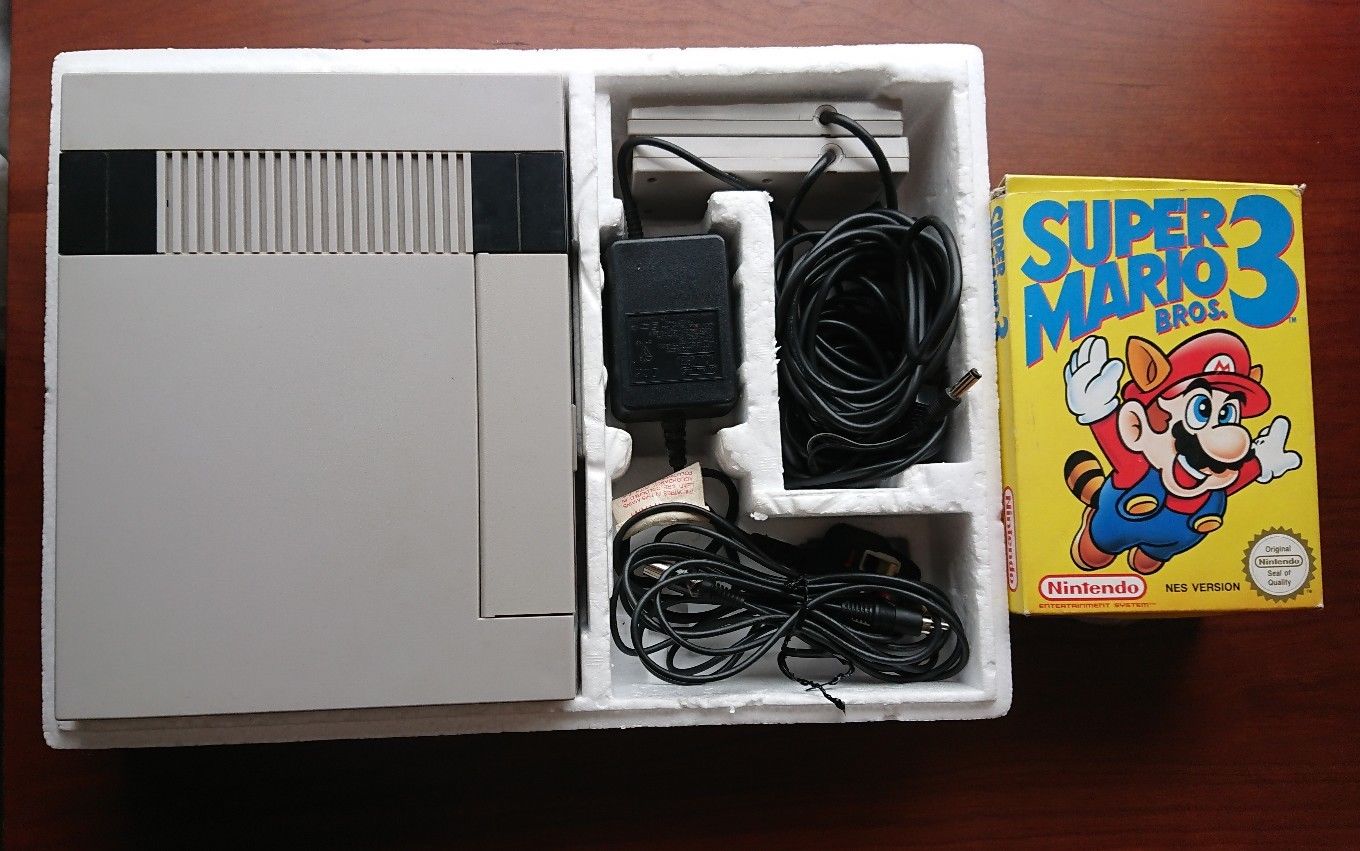
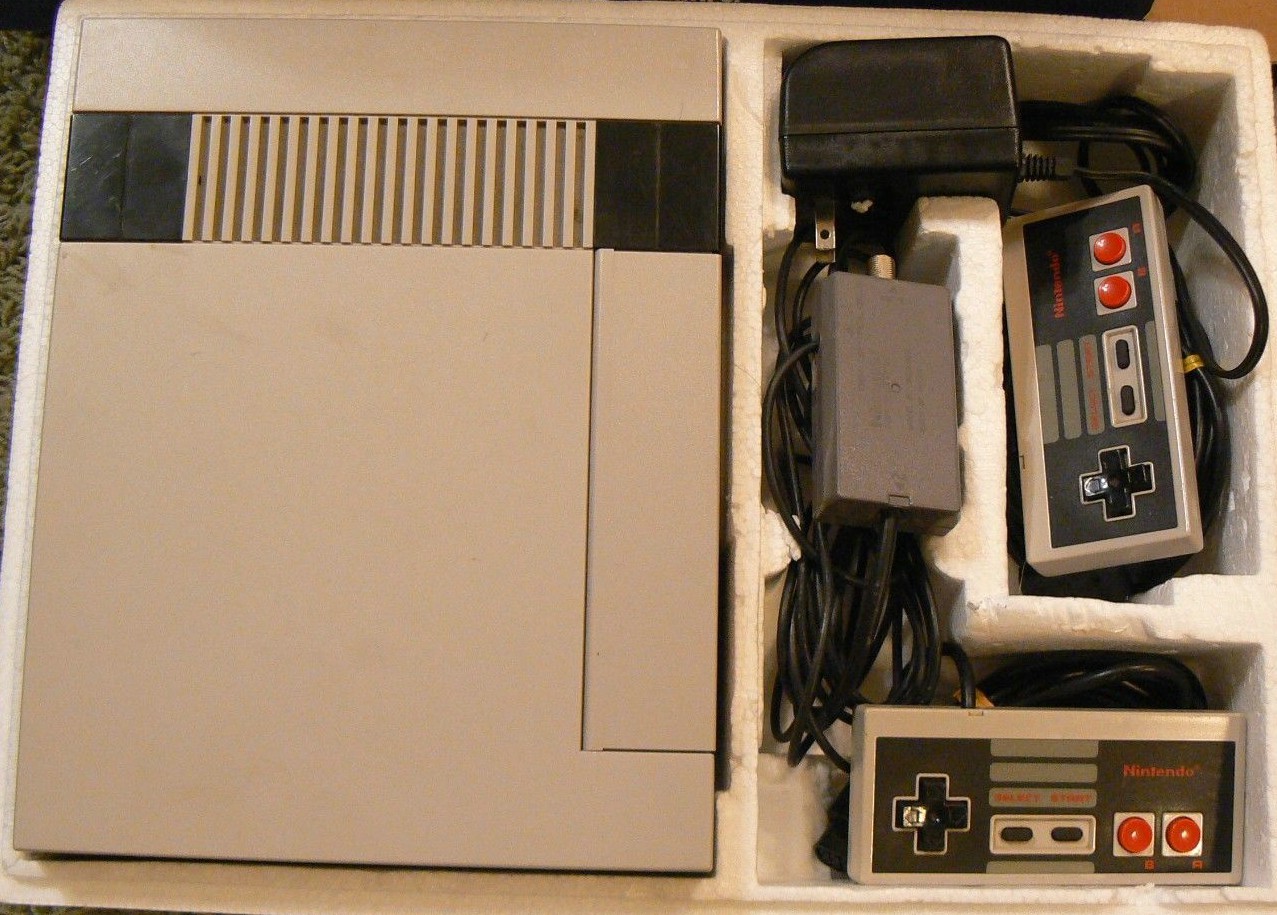
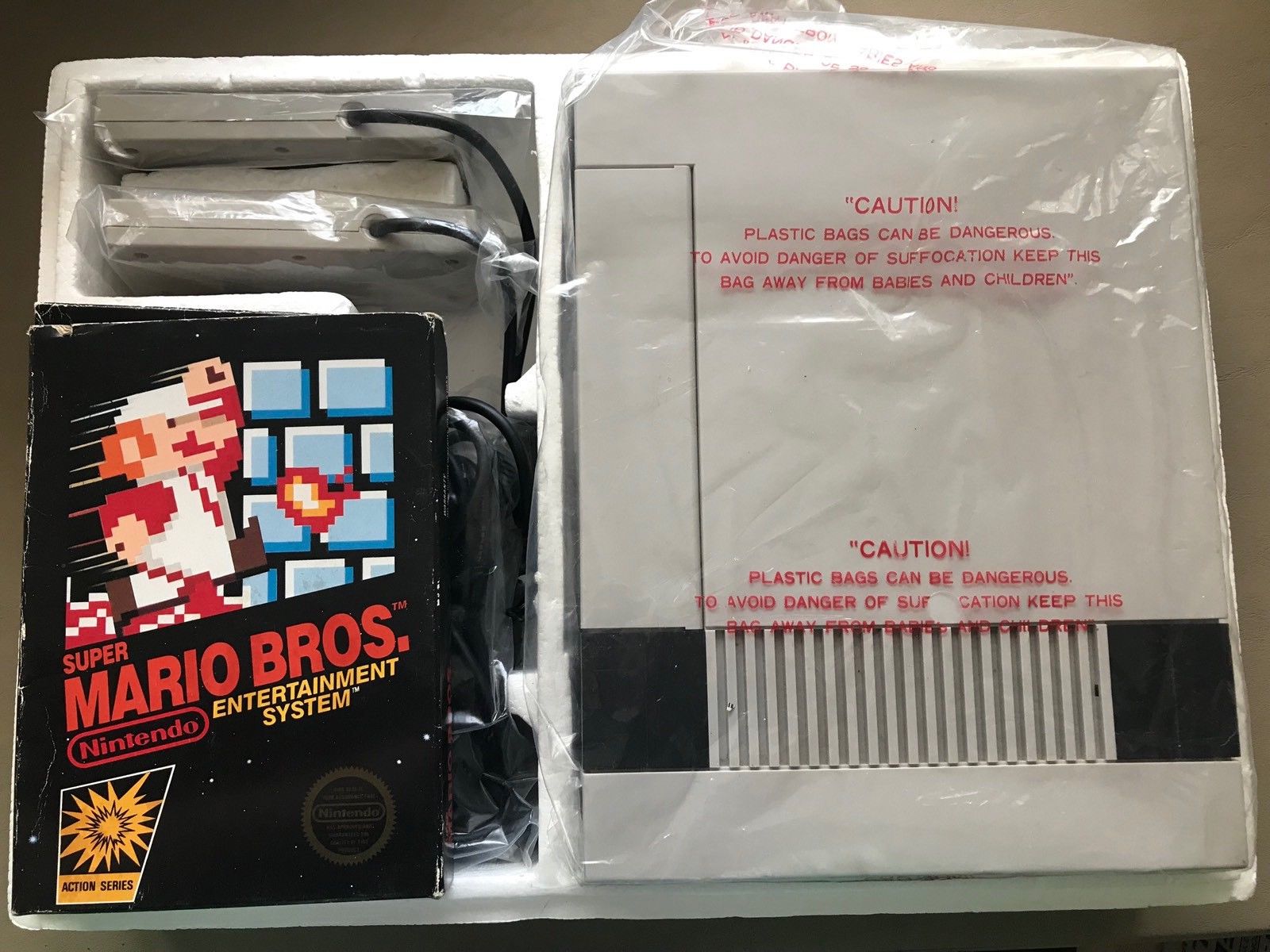
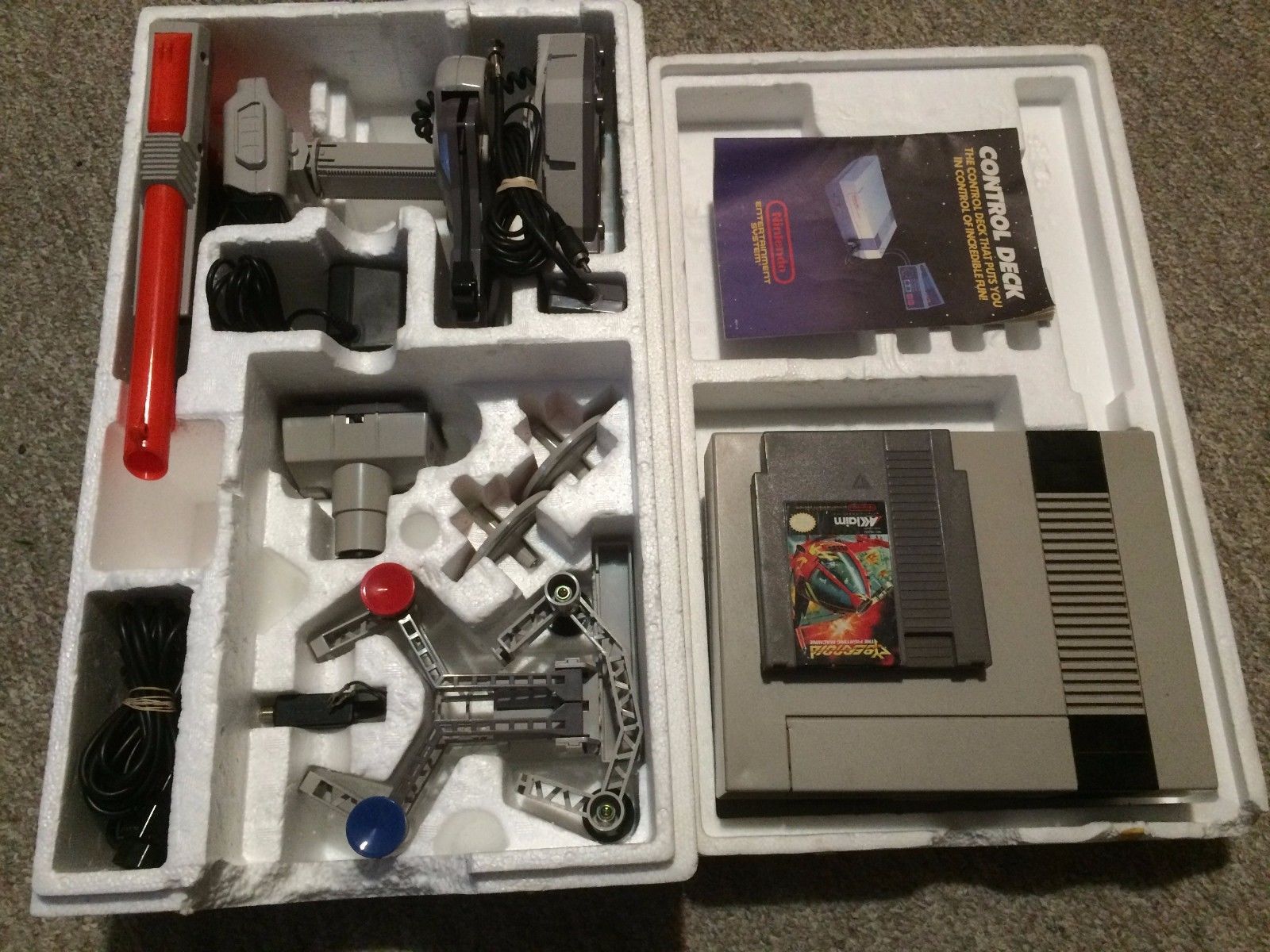
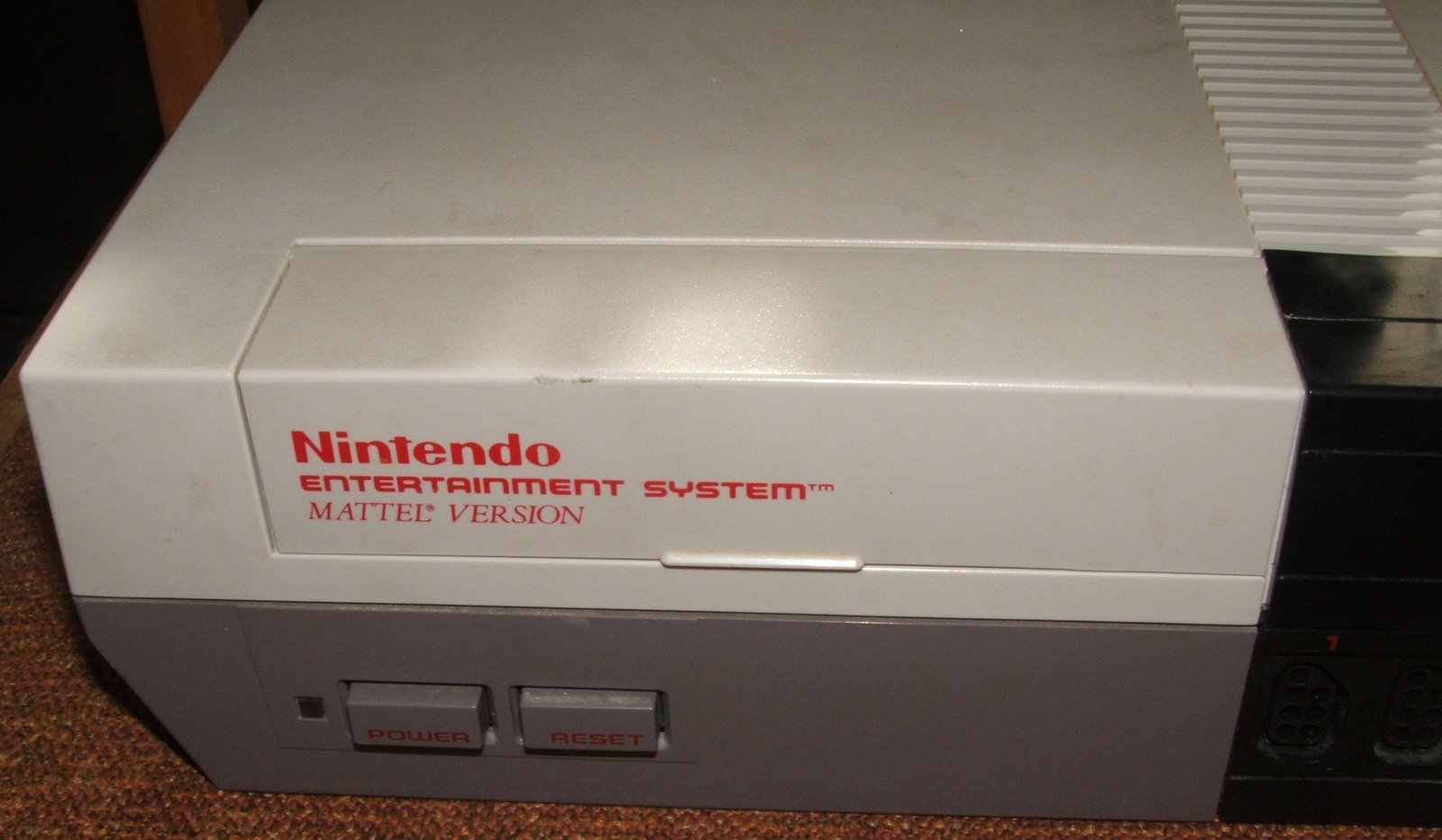
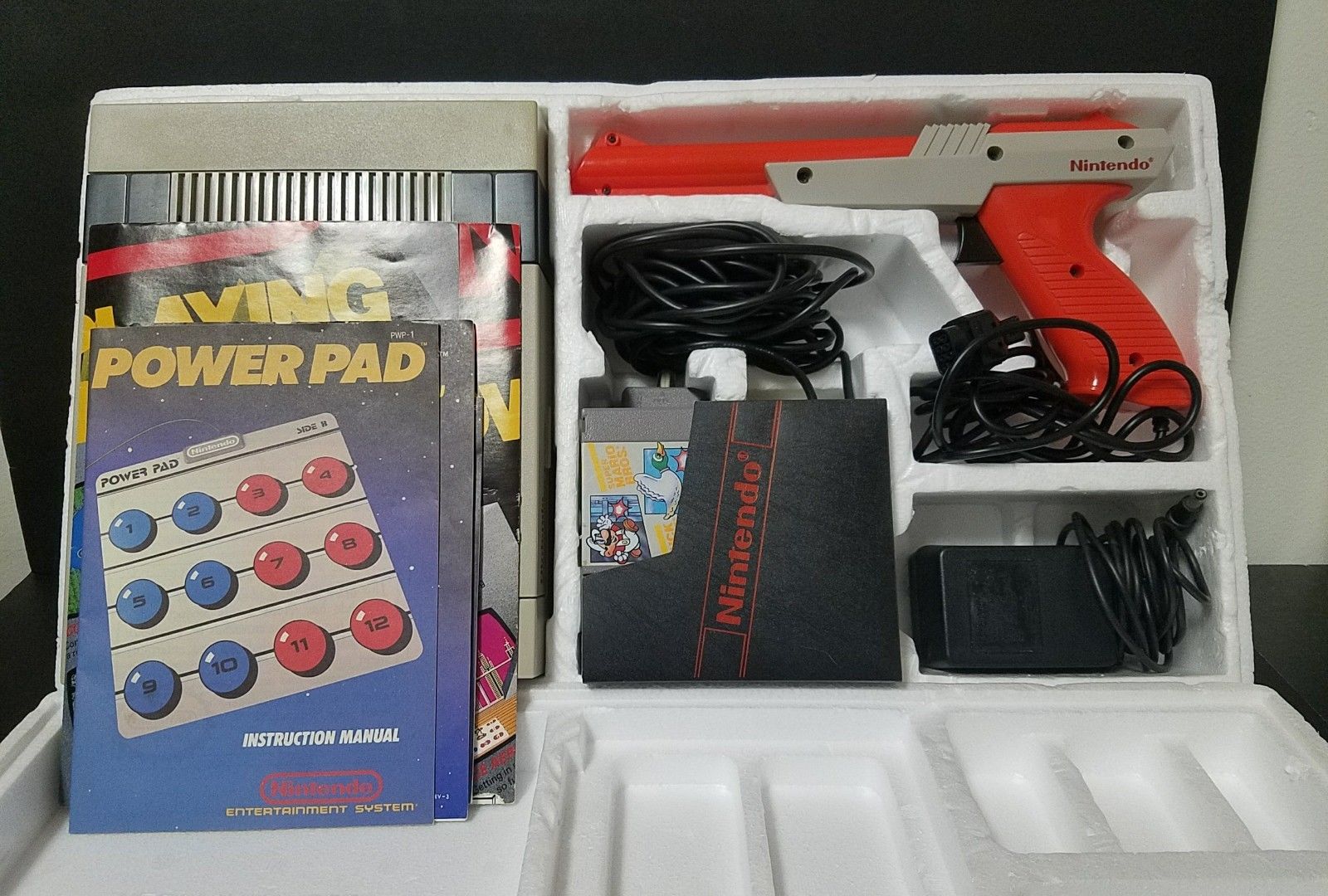
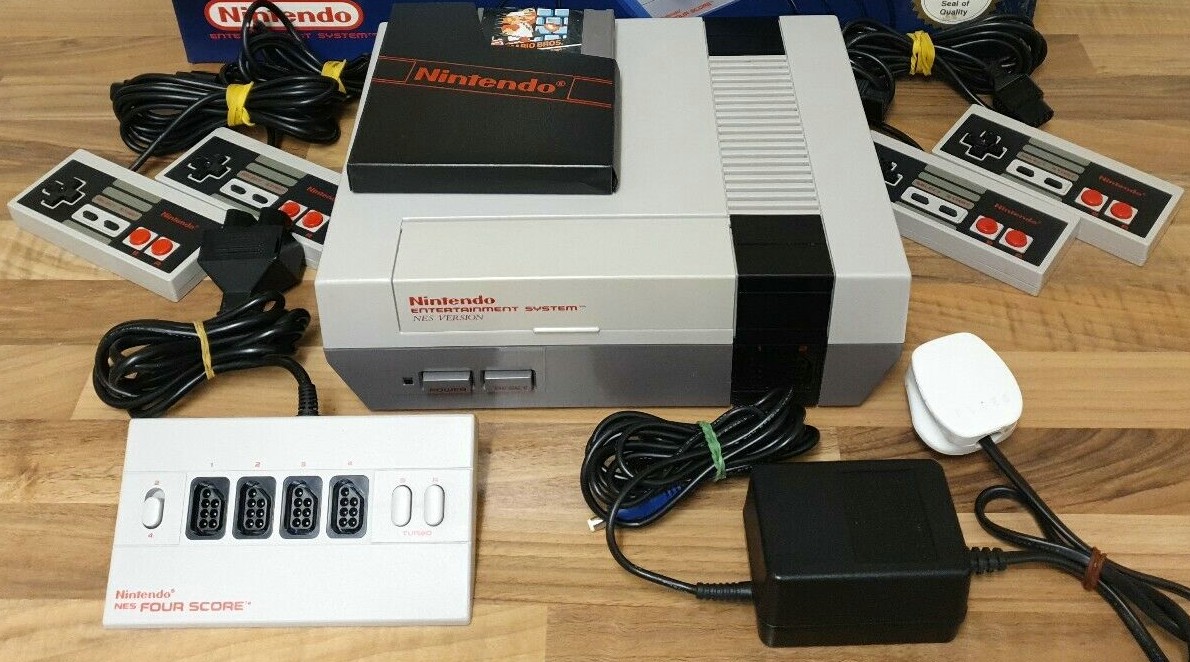
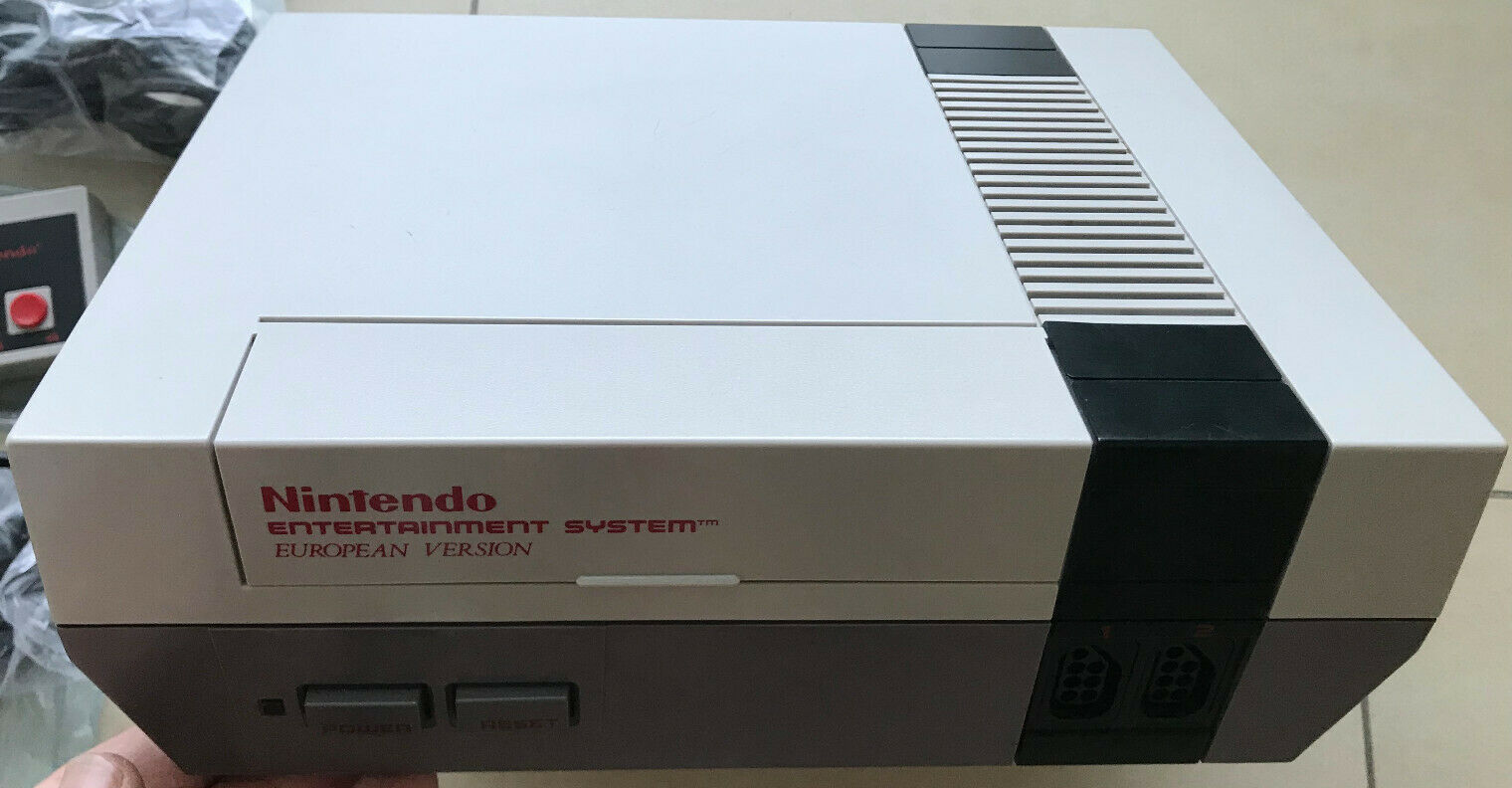
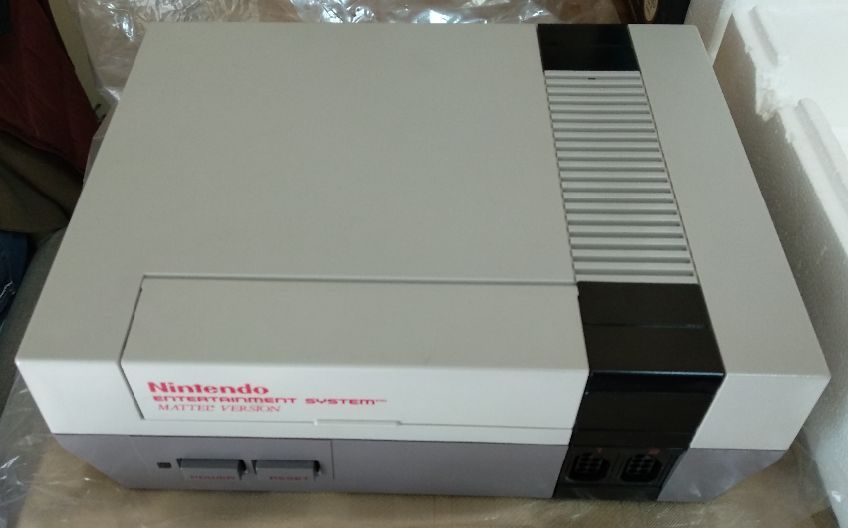
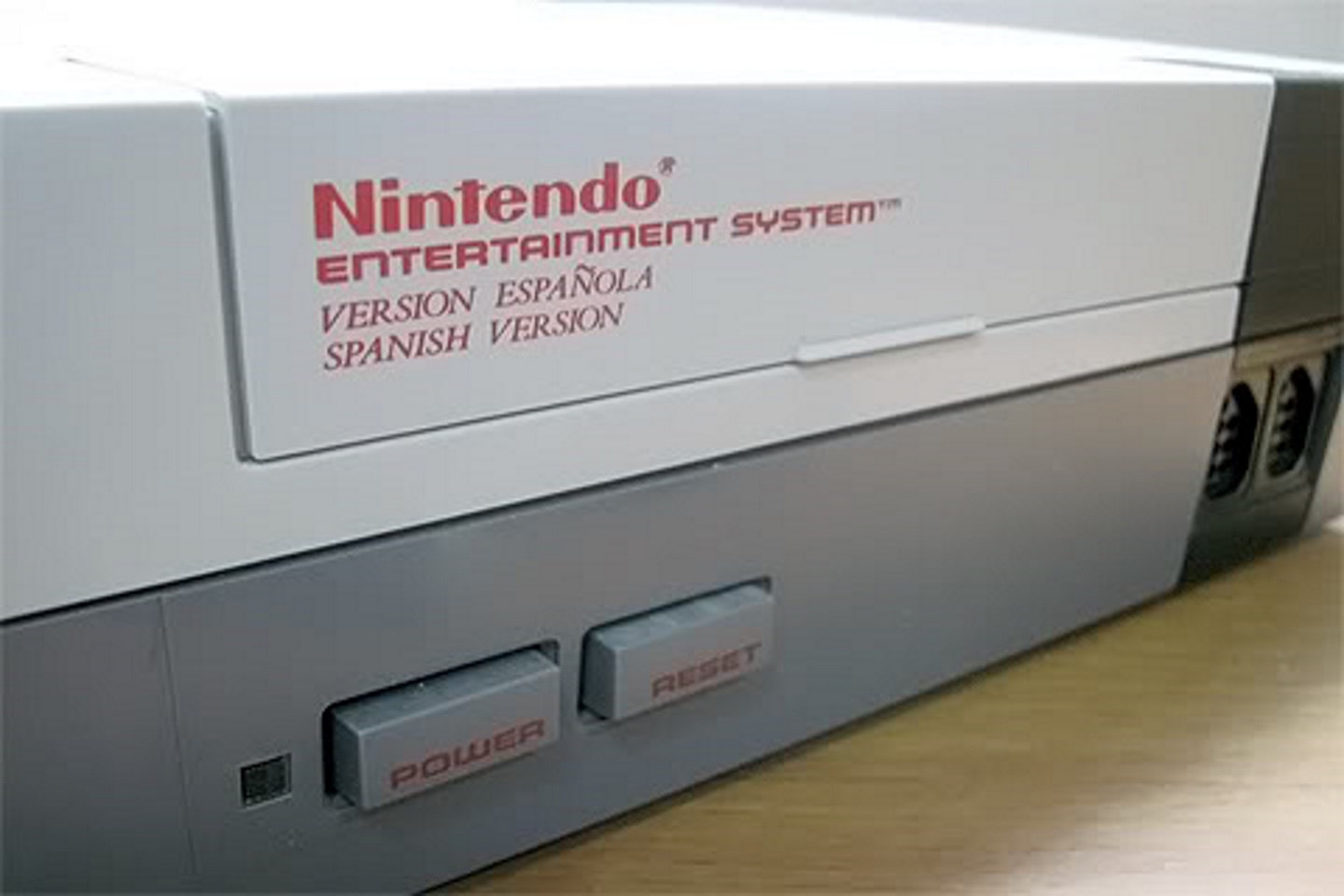
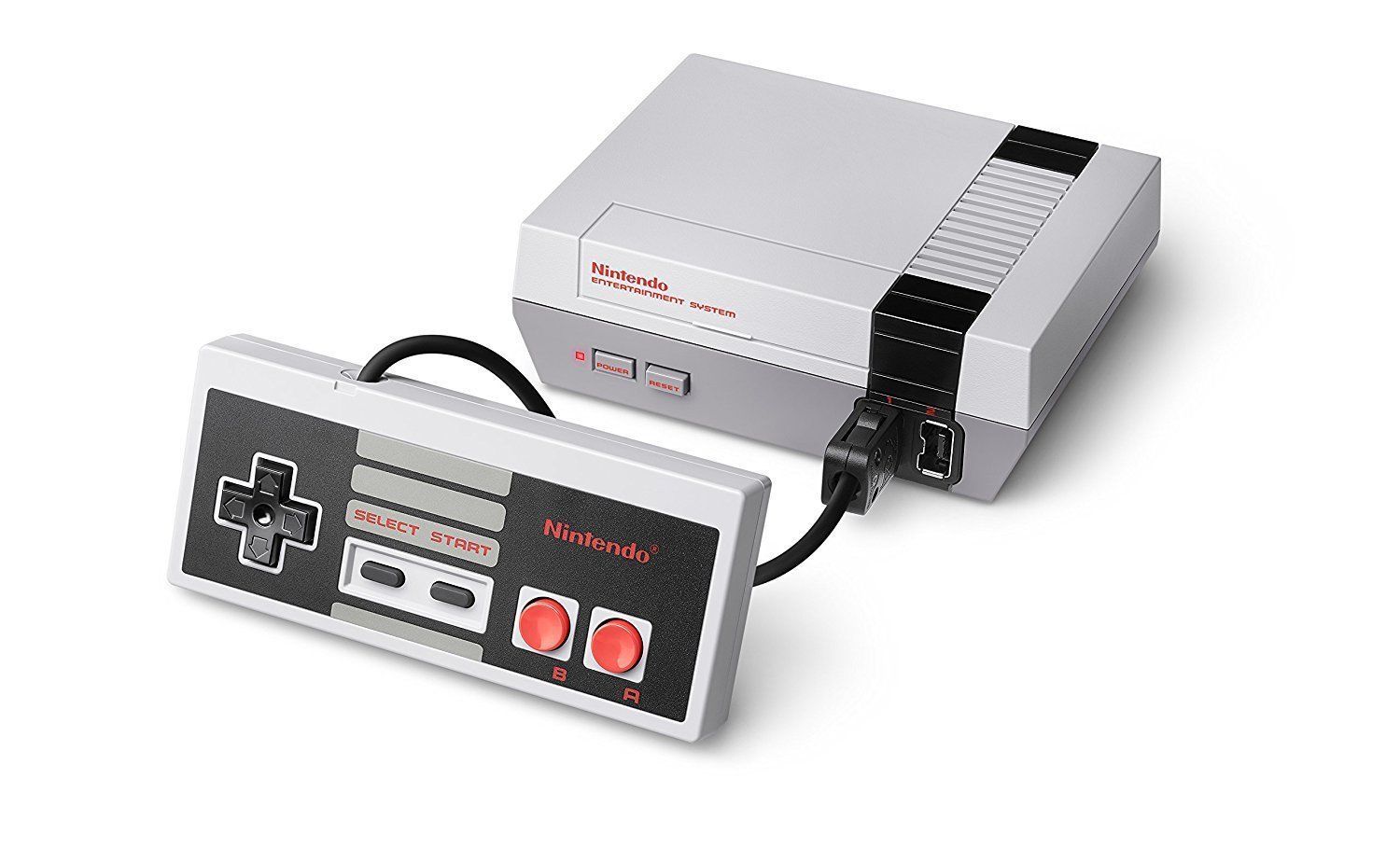
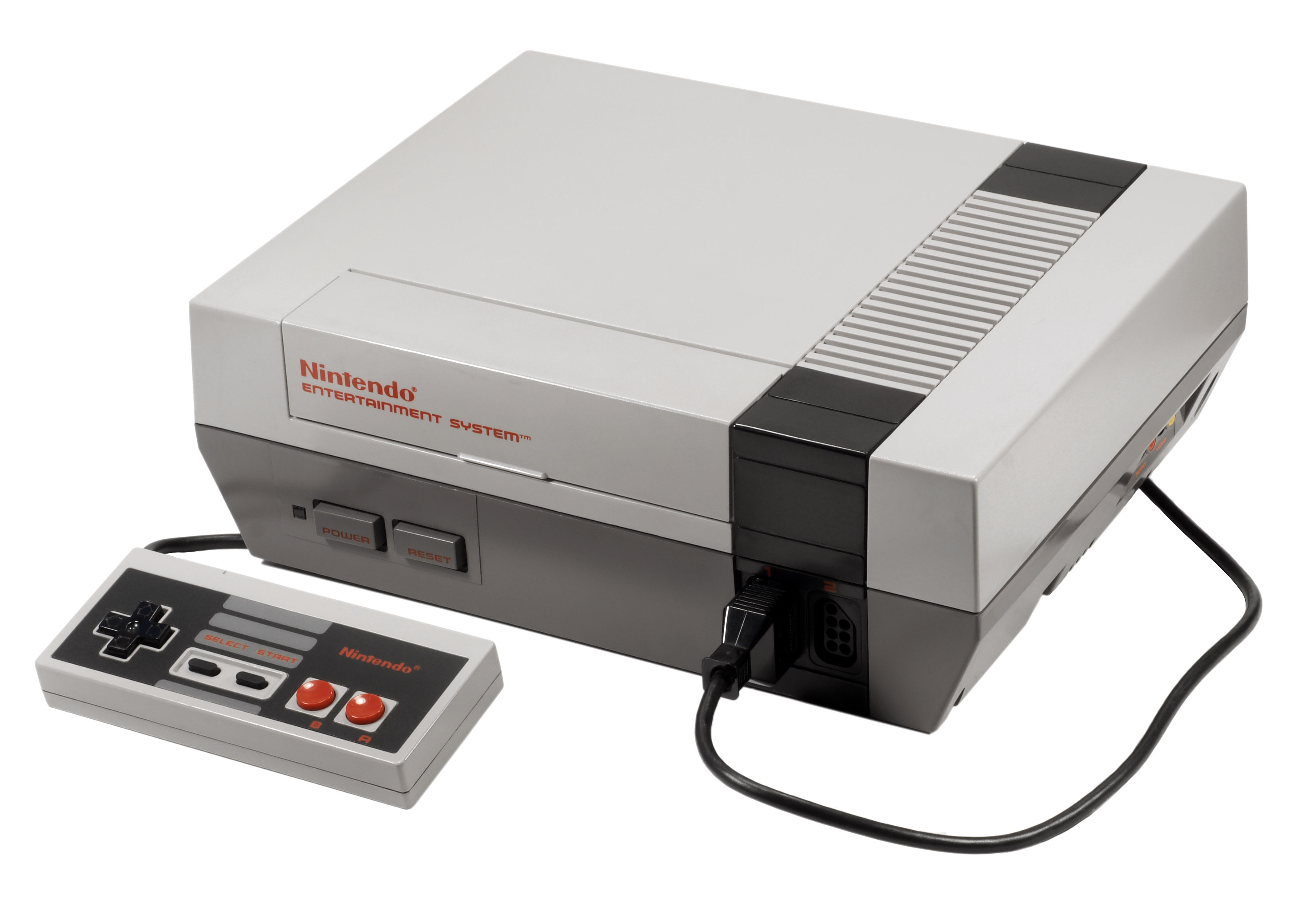
Nintendo Entertainment System (conocida también como NES o Nintendo NES) fue una videoconsola de ocho bits perteneciente a la tercera generación en la industria de los videojuegos. Fue lanzada por Nintendo en Norteamérica, Europa y Australia entre 1985 y 1987. En la mayor parte del continente asiático, incluyendo a Japón (donde se comercializó por primera vez en 1983), China, Vietnam, Singapur y Filipinas se la conoció con el nombre de Family Computer, abreviado comúnmente como Famicom. En Corea del Sur se llamó Hyundai Comboy y fue distribuida por Hyundai Electronics, mientras que en regiones como Rusia y el sur de Asia pasó a denominarse Dendy y Tata Famicom, respectivamente. En 1990, la Super Nintendo reemplazó a Nintendo NES en el mercado. Está considerada como la videoconsola más exitosa de su época y contribuyó a revitalizar de forma significativa la industria estadounidense de los videojuegos, la cual había sufrido previamente una debacle financiera que ocasionó que varias empresas especializadas quebraran, además de establecer el nivel estándar para consolas posteriores en aspectos primordiales como el diseño de cada juego y planteamiento de mandos. Asimismo, a partir de esta consola Nintendo estableció un modelo de negocios estandarizado en la era contemporánea y referente a la licencia de software para desarrolladores tipo third-party.

Características

Japanese Famicom : October 2003
Software Integrado  	None
Mandos  	8-way thumbpad, 4 Pulsadores (Start, Select. A, B)
CPU  	Custom 6502
Velocidad  	1.79 MHz
Co-procesador  	8-bit PPU (Picture Processing Unit)
RAM  	2 KB
VRAM  	2 KB
Modo gráfico  	256 x 240
64 sprites on screen, but only 8 per scanline / sprite Dimensiones : 8x8 or 8x16 pixels
Colores  	52 Available / 16 On-screen / 4 colours per Sprite
Sonido  	4 Channel Mono - 2 Square Waves, 1 Triangle Wave, 1 White Noise
Puertos de entrada/salida  	2 Controlador Ports, Composite Video Out, Mono Audio Out, RF Out, Expansion Port
Almacenamiento  	Cartridges
Número de juegos  	800+
Fuente de alimentación  	External Fuente de alimentación unit
Perifericos  	Alimentacion glove, lightPistola, Basic Teclado (Famicom), ROB the robot, disk drive (Famicom), dancing carpet,
		additional Mandos...
Precio  	$159.99 (USA, 1985)
Data Ship 1200
Data Ship 1200
📅 1989🌍 Japon
Ficha técnica

Historia

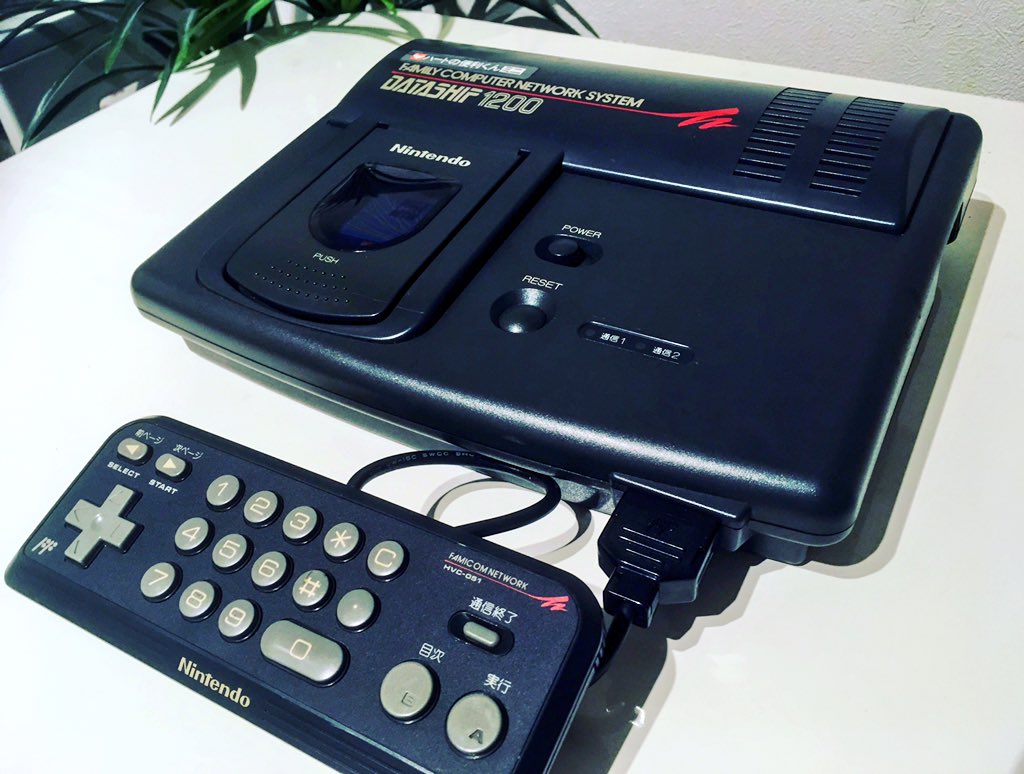
Nintendo released a rare console named the Data Ship 1200, which was a banking system and Famicom built into one system. The Data Ship 1200 consoles used data cards for the banking instead of cartridges. The banking modems included a special controller with buttons that were custom-made for home banking.

Nintendo Entertainment System NES-101
📅 1993
Ficha técnica

Historia

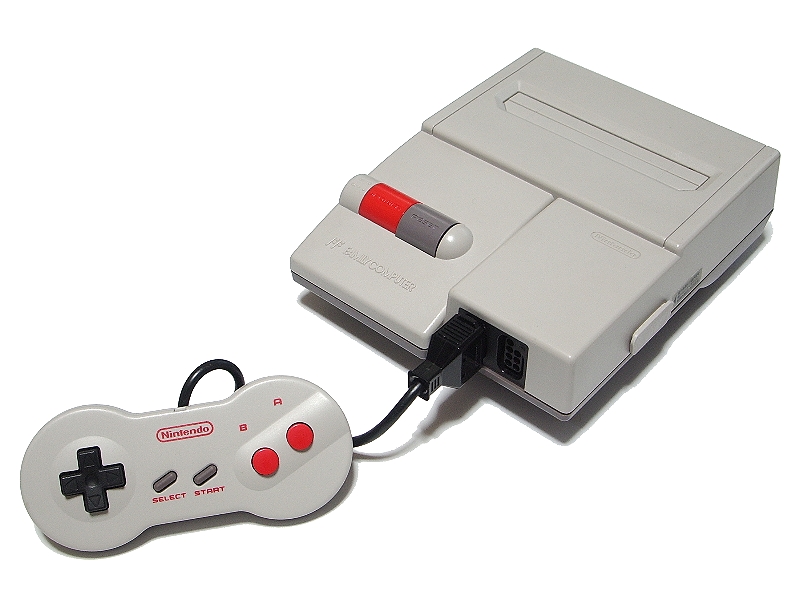
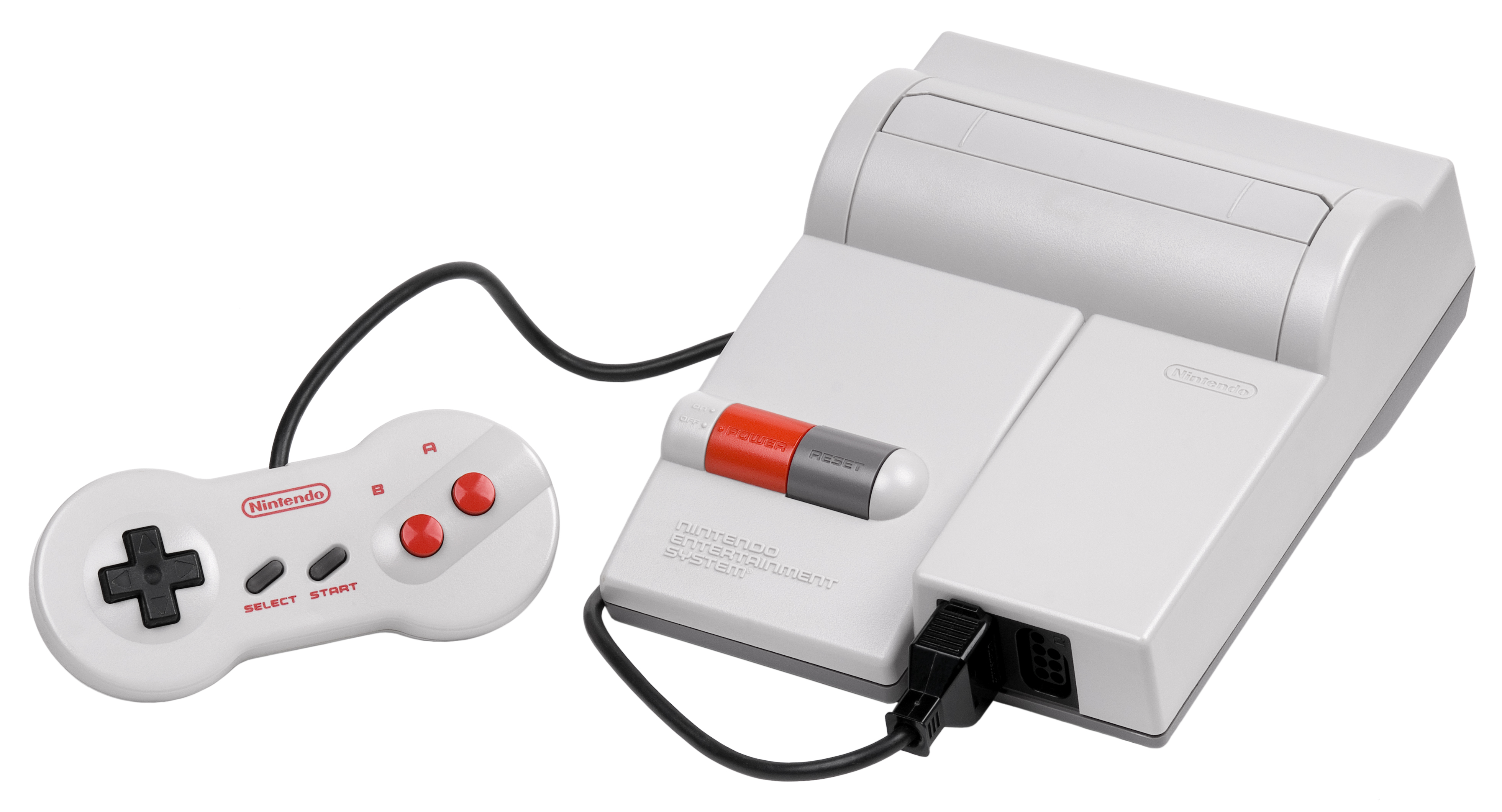
La NES 2 (también conocida como la Toploader y la Top-Loading NES en América) es un rediseño compacto y modernizado de la videoconsola original Nintendo Entertainment System (NES) de la compañía Nintendo. La propia compañía nombra a la consola como Nintendo Entertainment System, exactamente del mismo modo que a la original (solo añade un nuevo diseño en el logotipo de la caja) pero los usuarios la llaman NES2 o NES Toploader para distinguirla de la original. La consola fue distribuida en Norteamérica en 1993 al precio de 49.99 dólares. La NES 2 es parecida en el diseño a la AV Family Computer, la cual fue publicada en Japón aproximadamente en la misma época, pero difiere en algunos números de especificaciones.

Codemasters Aladdin Deck Enhancer
Ficha técnica

Historia

The Aladdin Deck Enhancer, produced by Camerica and developed by Codemasters, is a cartridge-based system that allows software on Compact Cartridges to be played on the Nintendo Entertainment System. It is similar to the Datach system for the Famicom, but without the Barcode feature. It was released in November 1992, with its planned library to reach a total 24 games by the end of 1993. However, only seven games were actually released.

Datach Joint ROM System
Ficha técnica

Historia

El Barcode Battle de la NES. Ambientado en el universo de Dragon Ball este tipo de juegos ya triunfaba por esos años en Japón. El procedimiento es muy sencillo, con una serie de cartas con códigos de barras que aquí tendrían su equivalente en los típicos cromos se conseguía una nueva forma de jugar a los juegos de lucha

Disk Hacker
Disk Hacker
Ficha técnica

Historia

Disk Hacker is a Famicom Disk System disk made by Hacker International that allows a gamer to pirate disks. There are several versions of software capable of tampering with your FDS and games available on the black market. Another common name for this type of software is Copy Master, which allows you to play pirated games and tune your FDS.

Famicom 3D System
Famicom 3D System
Ficha técnica

Historia

The 3D System consists of a pair of active shutter glasses and an adapter to connect them to the Famicoms third player expansion port. The glasses are connected to the adapter via dual 3.5 mm jacks. This allowed compatible games to display a stereoscopic image similar to that of the Sega Master Systems SegaScope 3-D Glasses. Games would play in conventional 2D until a 3D mode was activated by use of the select button.[3] The 3D System was not commercially successful and, as a result, was never released outside of Japan.[2] Criticisms included the clunkiness of the glasses and the limited selection of compatible titles. Eight years later, in 1995, Nintendo again ventured into stereoscopic gaming with the commercially unsuccessful Virtual Boy. In the following years, Nintendo experimented in stereoscopic 3D with both the GameCube and Game Boy Advance SP systems, but these features were not released commercially due to cost and technical limitations.[5] Finally, in 2011, Nintendo released the 3DS handheld capable of displaying stereoscopic 3D images without the need for special glasses. The 3DS has enjoyed a largely positive reception and sales numbers dwarfing those of its predecessors.

Características

Attack Animal Gakuen by Pony Canyon
Cosmic Epsilon by Asmik
Falsion by Konami
Famicom Grand Prix II: 3D Hot Rally by Nintendo
Fūun Shōrin Ken: Ankoku no Maō  for the Famicom Disk System by Jaleco
Highway Star (Rad Racer outside Japan) by Square
Tobidase Daisakusen by Square
JJ: Tobidase Daisakusen Part II by Square
Famicom Network System
Ficha técnica

Historia

The Famicom Net System (Japanese: ファミコンネットシステム Hepburn: Famikon Netto Shisutemu?), better known as the Famicom Modem, is a video game peripheral for Nintendos Family Computer, released in late 1988 only in Japan. It uses a card based format, reminiscent to the HuCard for Hudson Softs and NECs PC Engine or the Sega Card for the Master System.[2][3] It allowed the user access to a server that provided live stock trades, game cheats, jokes, weather forecasts, horse betting, and a small amount of downloadable content

Famicom Study Box
Famicom Study Box
Ficha técnica

Historia

The StudyBox, released by Fukutake Publishing Co, Ltd., was much like a tape player for the Famicom. The accessory was small enough to fit on top of the Famicom, to plug into the connector. Also like a tape player, the top of the StudyBox would open to reveal the compartment where tapes were played. The StudyBox itself did not have the standard Play, Stop, Pause, Fast Forward and Rewind buttons on the system, as would be expected with a tape player. Instead, the student (presumably) would use the Famicom controller and on-screen cues to play the tapes. We don’t exactly know what the tapes would do. The purpose of the StudyBox was to make the Famicom more educational, giving students the ability to learn about whatever information was contained on the tapes. The tapes were, of course, only sound and voice, without visuals to accompany the studying.

Hiroshi Yamauchi
Hiroshi Yamauchi
Ficha técnica

Historia

Hiroshi Yamauchi (Hepburn: Yamauchi Hiroshi, 7 November 1927 – 19 September 2013) was a Japanese businessman. He was the third president of Nintendo, joining the company in 1949 until stepping down on 31 May 2002, to be succeeded by Satoru Iwata. During his 53-year tenure, Yamauchi transformed Nintendo from a hanafuda card-making company that had been active solely in Japan into a multibillion-dollar video game publisher and global conglomerate. In April 2013, Forbes estimated Yamauchis net worth at $2.1 billion; he was the 13th richest person in Japan and the 491st richest in the world. In 2008, Yamauchi was Japans wealthiest person with a fortune at that time estimated at $7.8 billion. At the time of his death, Yamauchi was the largest shareholder at Nintendo.

Howard Lincoln
Howard Lincoln
Ficha técnica

Historia

Howard Charles Lincoln (born February 14, 1940) is an American lawyer and businessman, known primarily for being the former Chairman of Nintendo of America and the former Chairman and Chief Executive Officer of the Seattle Mariners baseball team, representing absentee majority owner Hiroshi Yamauchi until Yamauchi died on September 19, 2013

Mario
Mario
Ficha técnica

Historia

Mario is a character in the Mario video game franchise, owned by Nintendo and created by Japanese video game designer Shigeru Miyamoto. Acting as the companys mascot, as well as being the eponymous protagonist of the series, Mario has appeared in over 200 video games since his creation. Depicted as a short, pudgy, Italian plumber who resides in the Mushroom Kingdom, his adventures generally center upon rescuing Princess Peach from the Koopa villain Bowser. Marios fraternal twin brother and sidekick is Luigi. With more than 600 million units sold worldwide, the overall Mario franchise is the best-selling video game franchise of all time.[12][13] Outside of the Super Mario platform series, other Mario genres include the Mario Kart racing series, sports games such as the Mario Tennis and Mario Golf franchises, role-playing games such as Mario & Luigi, Super Mario RPG, and Paper Mario, and educational games such as Mario Is Missing!, Marios Time Machine, and Mario Teaches Typing. The franchise has branched into several media, including television shows, film, comics, and licensed merchandise. Mario has been voiced by Charles Martinet since 1990.

Masayuki Uemura
Masayuki Uemura
Ficha técnica

Historia

Masayuki Uemura (Uemura Masayuki, 20 June 1943 – 6 December 2021) was a Japanese engineer, video game producer, and professor. He was known for his work as an employee of Nintendo from 1971 to 2004, most notably for serving as a key factor in the development of the Nintendo Entertainment System. A former employee of Sharp Corporation, Uemura joined Nintendo in 1971 working with Gunpei Yokoi and Genyo Takeda on solar cell technology for the Laser Clay Shooting System arcade game. After becoming General Manager of Nintendo R&D2, Uemura served as the lead architect for the Nintendo Entertainment System and Super NES game consoles. He retired from Nintendo in 2004 and became director for the Center for Game Studies at Ritsumeikan University.

Minoru Arakawa
Minoru Arakawa
Ficha técnica

Historia

Nintendo of America

Página 1 de 2

Juegos (55)

Bubble Bobble
Bubble Bobble
💾 cartucho
Simpsons The - Bart vs The Space Mutants
📦 caja📖 manual💾 cartucho
Castlevania
Castlevania
💾 cartucho
Double Dragon II - The Revenge
📦 caja💾 cartucho
Donkey Kong Classics
📦 caja💾 cartucho
Hook
Hook
💾 cartucho
Kung fu
Kung fu
📦 caja📖 manual💾 cartucho
La caza del octubre rojo
💾 cartucho
Metal Gear
Metal Gear
📦 caja💾 cartucho
Monopoly
Monopoly
📦 caja💾 cartucho
Skate or Die
Skate or Die
📦 caja💾 cartucho
Snow Brothers
Snow Brothers
💾 cartucho
Soccer
Soccer
📦 caja💾 cartucho
Star Force
Star Force
📦 caja💾 cartucho
Star Wars
Star Wars
💾 cartucho
City Connection (s/c)
📦 caja
Star Wars-The Empire Strikes Back
📦 caja💾 cartucho
Super Mario Bros
Super Mario Bros
💾 cartucho
Super Mario Bros
Super Mario Bros
📦 caja💾 cartucho
Super Mario Bros
Super Mario Bros
📦 caja💾 cartucho
Super Mario Bros 2
Super Mario Bros 2
📦 caja📖 manual💾 cartucho
Super Mario Bros 3
Super Mario Bros 3
📖 manual💾 cartucho
Super Mario Bros 3
Super Mario Bros 3
💾 cartucho
SuperSpike VBall
SuperSpike VBall
📦 caja💾 cartucho
Simpsons The - Bart vs The Space Mutants
💾 cartucho
Willow
Willow
📖 manual💾 cartucho
Zelda II - The Adventure of Link
💾 cartucho
Star Wars-The Empire Strikes Back
📦 caja💾 cartucho
4 in 1 Macross
4 in 1 Macross
💾 cartucho
Chessmaster The
Chessmaster The
💾 cartucho
Track and Field II
Track and Field II
📦 caja💾 cartucho
NES clon - 4 in 1
NES clon - 4 in 1
NES clon - 7 in 1
NES clon - 7 in 1
NES clon - Racing Series
22 In 1
22 In 1
4 Games In 1 Game Paks
Rad Racer
Rad Racer
📦 caja📖 manual💾 cartucho
4 in 1 Pacman
4 in 1 Pacman
Super Mario Bros
Super Mario Bros
Super Mario Bros
Super Mario Bros
Kungfu
Kungfu
📦 caja📖 manual
Snow Brothers
Snow Brothers
📦 caja📖 manual
The Acventures Of Bayou Billy
📦 caja📖 manual
The Adventure Island Part II
📦 caja📖 manual
Mighty Bomb Jack
Mighty Bomb Jack
Maniac Mansion
Maniac Mansion
📦 caja
1000000 in 1
1000000 in 1
52 in 1
52 in 1
Batman
Batman
Tetris
Tetris
NESclon - Nightmare
NESclon - Nightmare
Shadow Warriors II
Shadow Warriors II
📦 caja📖 manual
42 in 1 new
42 in 1 new
📦 caja
12 in 1 UFO-A500
12 in 1 UFO-A500
Famicom Mario Paint
Famicom Mario Paint
📦 caja📖 manual